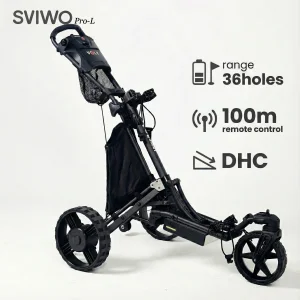
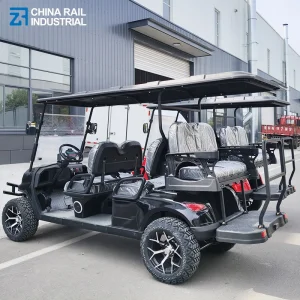
As South Korea’s principal maritime metropolis and a global hub for eco-tourism, Busan presents a highly specialized environment for electric utility transportation. The expansion of premium resort clusters in areas such as Gijang-gun, the luxury tourist infrastructure surrounding Haeundae Beach, and the carbon-neutral smart city initiatives in the Eco Delta City region demand a fundamental evolution in golf cart technology. Carts are no longer merely passive vehicles; they are now active components of integrated smart city IoT infrastructures.
Operating electric vehicles in coastal regions like Busan requires overcoming challenges like high ambient humidity, elevated saline air corrosion (marine environments), and undulating, hilly topography. Ningbo Shiry Golf Co., Ltd. addresses these challenges by engineering smart connected electric golf carts that feature marine-grade anti-corrosive chassis, automotive-grade CAN-bus network integration, and high-efficiency lithium battery systems designed for reliable climbing performance.
Real-time vehicle status tracking via integrated 4G/5G modules. Monitor battery SOC, locate fleets on custom golf course maps, and apply dynamic geofencing speed limits remotely.
Equipped with smart battery management systems (BMS) that support dual-module balancing, fast charging protocols, and up to 3,500 lifecycle charges with dynamic heat dissipation.
Hot-dip galvanized chassis coating coupled with stainless steel fasteners and IP67-rated electrical connectors to survive the harsh salt spray environment of coastal Busan.

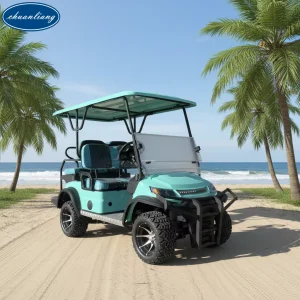
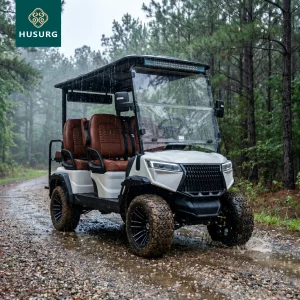
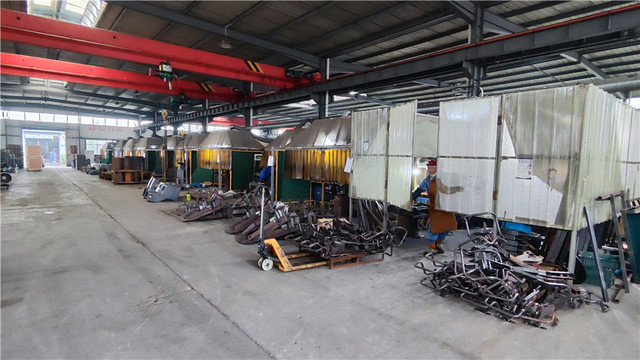
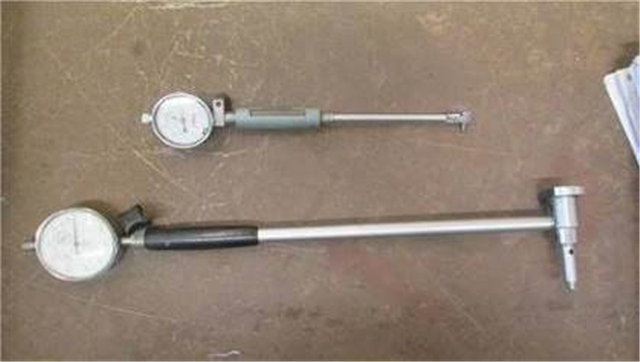
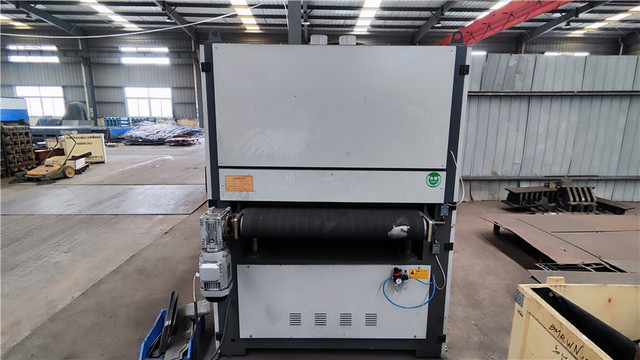
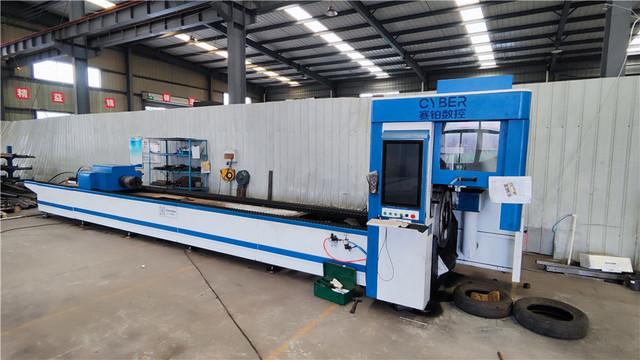
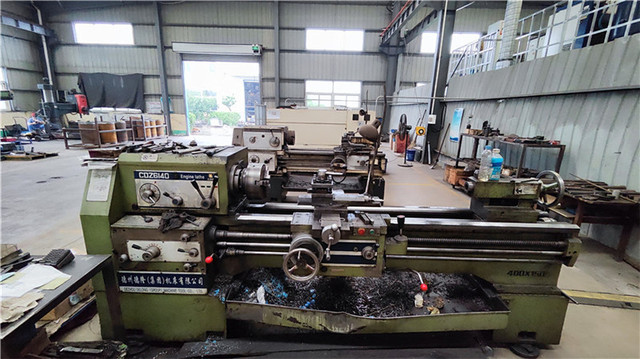
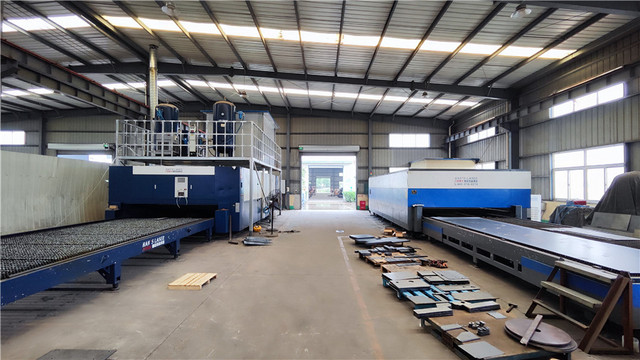
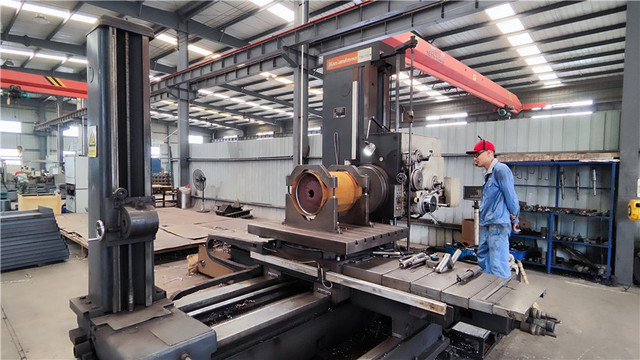
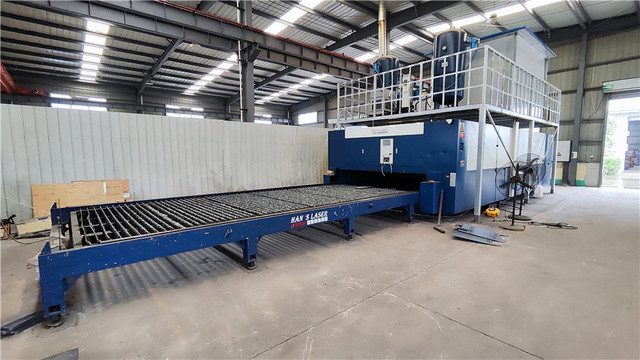
Ningbo Shiry Golf Co., Ltd. operates a highly standardized production facility encompassing over 18,000 square meters. Every vehicle undergoes a rigorous testing program, including chassis vibration testing, dynamic hill climb evaluation under full load, electronic controller diagnostics, and simulated coastal salt spray tests to ensure optimal performance and long service life.
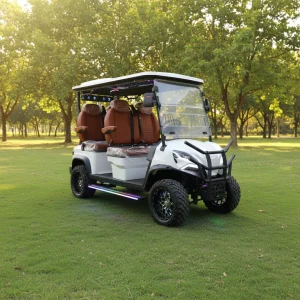
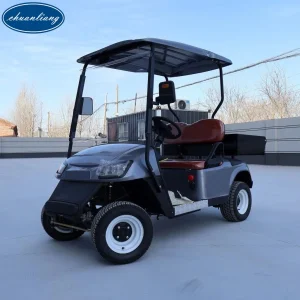
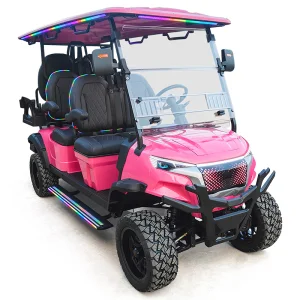

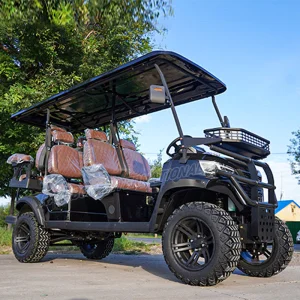

Ningbo Shiry Golf Co., Ltd. is positioned as a primary supply chain partner for B2B global clients, project managers, and logistics fleet operators. With convenient shipping access via Ningbo Port, we provide direct transport routes to Busan Port, keeping freight costs and shipping times minimal.
Our OEM/ODM engineering workflow covers everything from basic structural alterations to complete technology stacks:
We combine rapid prototype development processes with high-volume manufacturing capabilities. Every vehicle batch undergoes computerized load-cell testing, brake-force optimization cycles, and water ingress prevention checks, meeting the durability expectations of premium institutional operations.
 Shiry Golf