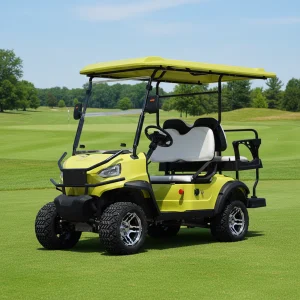
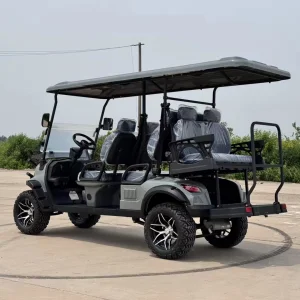
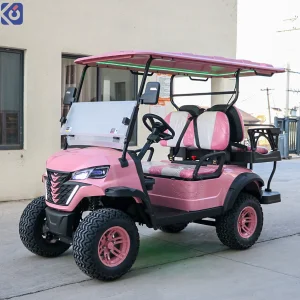
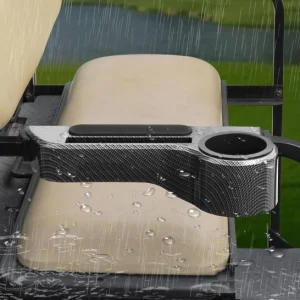
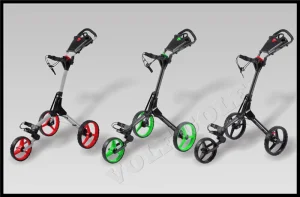
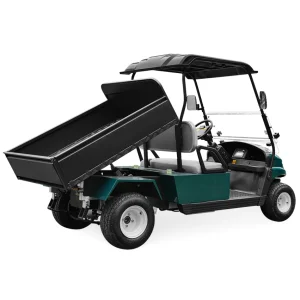
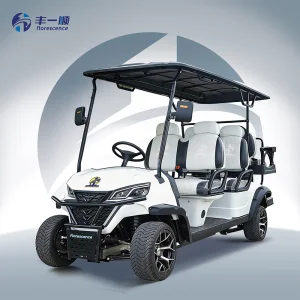
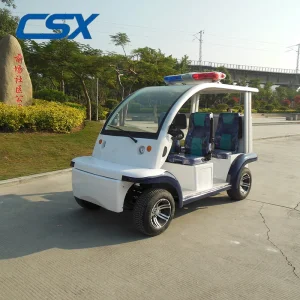
Explore our top-tier electric golf carts, utility transport vehicles, and specialized maintenance components engineered for high-performance and regulatory compliance.
A Comprehensive Technical Analysis of Manufacturing Excellence, Regulatory Compliance, and Global Fleet Operations.
The global demand for energy-efficient, reliable, and multi-functional transit options has driven a structural shift in low-speed transportation. Historically confined to traditional fairways, modern golf carts have evolved. Today, they serve as highly sophisticated Low-Speed Vehicles (LSVs) and Street Legal Golf Carts, forming the backbone of micro-mobility ecosystems across urban centers, commercial developments, and private residential estates worldwide.
As a leading name in electric mobility manufacturing, Ningbo Shiry Golf Co., Ltd. stands at the forefront of this industrial transition. Established in 2013 in Ningbo, China, we operate an advanced manufacturing hub spanning over 18,000 square meters. Housing more than 280 experienced professionals, our infrastructure integrates mechanical engineering, advanced battery systems, chassis design, and rigorous quality inspection. Our proximity to the Ningbo Port—one of the world's most active and efficient logistics terminals—enables us to distribute high-specification street legal golf carts to clients across North America, Europe, Australia, the Middle East, and Southeast Asia.
For a golf cart to transition from an off-road utility vehicle to a street legal passenger vehicle, it must comply with precise national and regional regulatory mandates. In the United States, low-speed vehicles (LSVs) are governed by the National Highway Traffic Safety Administration (NHTSA) under Federal Motor Vehicle Safety Standard (FMVSS) 500. To legally operate on public roads with speed limits up to 35 mph (or 25 mph depending on state statutes), vehicles must integrate certified safety components:
In Europe, compliance is aligned with the L6e and L7e Light Quadricycle categories under EEC standards. These specify weight parameters, speed limiters, and distinct environmental footprints. Ningbo Shiry Golf Co., Ltd. incorporates these standards directly into our assembly line, helping fleet managers and wholesale importers avoid customs issues and register their vehicles for public road use right out of the container.
From private residential enclaves to dense commercial corridors, our vehicles are engineered to meet specific operational requirements.
Ideal for master-planned neighborhoods, coastal retirement villages, and large-scale residential communities. Our zero-emission vehicles replace standard combustion cars for daily local commutes, school drop-offs, and short shopping trips, reducing noise pollution and enhancing neighborhood safety.
Specifically engineered to endure humid, coastal, and varied climates. Integrated rust-proof aluminum frames and marine-grade vinyl seating guarantee that resort fleets operate reliably. Our street-legal compliance allows resort shuttles to cross public roadways separating beaches, hotels, and golf courses.
Large university campuses, corporate headquarters, and high-tech industrial research parks rely on our utility and multi-passenger configurations. They facilitate the quiet, clean transport of maintenance personnel, mail delivery teams, security staff, and visitor tours across pedestrian zones and access roads.
Procuring low-speed vehicles from China, specifically via the industrial cluster of Ningbo, provides distinct strategic advantages. Ningbo Shiry Golf Co., Ltd. capitalizes on its location to source raw materials, specialized semiconductors, high-torque motors, and advanced lithium cells with minimal lead times. This regional concentration keeps our manufacturing pipelines protected from sudden supply-chain disruptions.
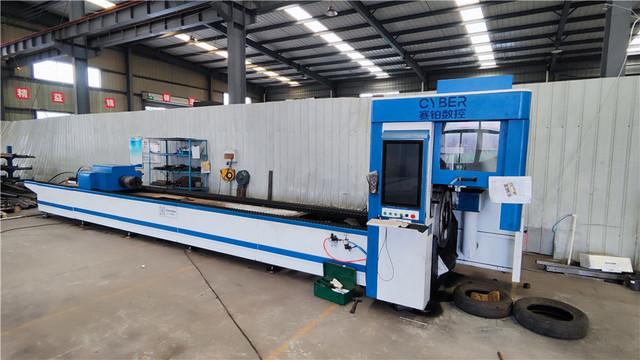
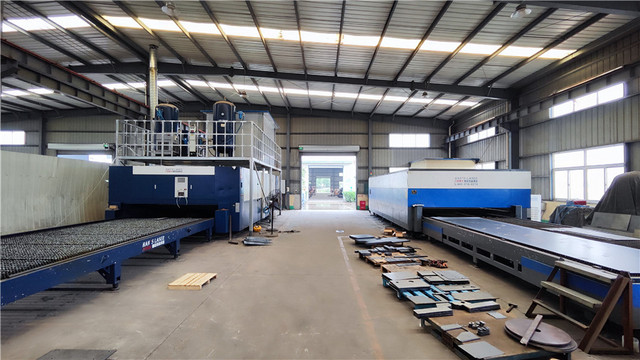
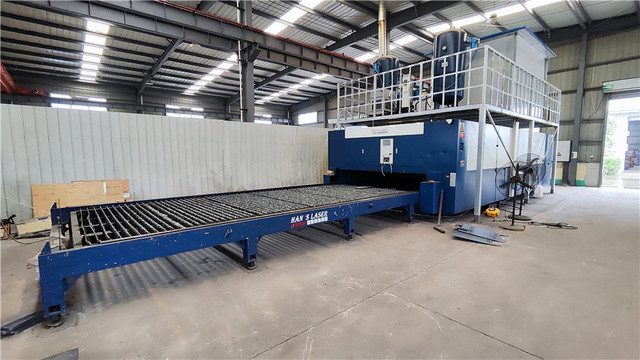
Furthermore, our proximity to the Deepwater Port of Ningbo-Zhoushan minimizes inland freight times, shipping fees, and transport wear. Our manufacturing workflow features structural steel laser cutting, robotic welding of structural chassis, and environmental climate-chamber testing, ensuring every vehicle meets global standards. By controlling the production flow from raw materials to final export documentation, we offer stable pricing and shorter turnaround cycles than competitors lacking centralized supply networks.
The low-speed vehicle market is transitioning away from legacy lead-acid batteries and brush-type DC motors toward digitalized, lithium-powered drivetrains. Shiry Golf's engineering team focuses on three core pillars in our R&D roadmap:
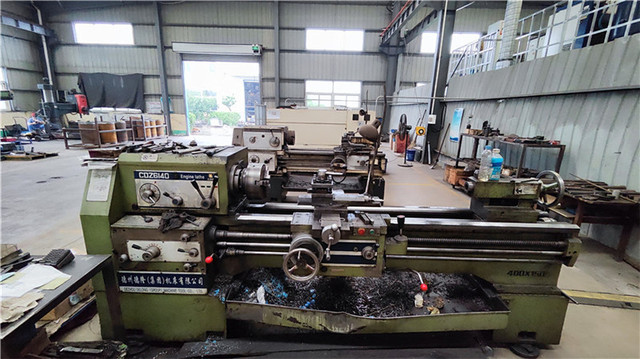
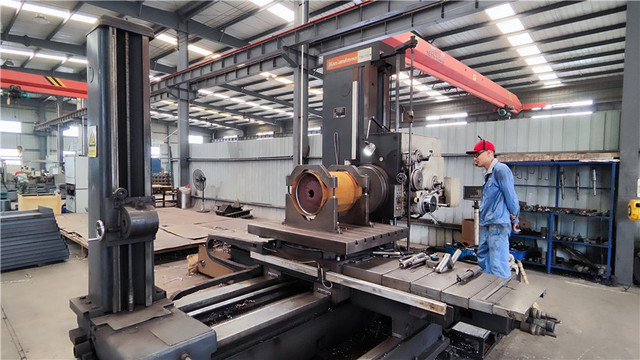
A visual tour through our advanced 18,000 square meter assembly lines, custom chassis fabrication, and quality inspection departments.
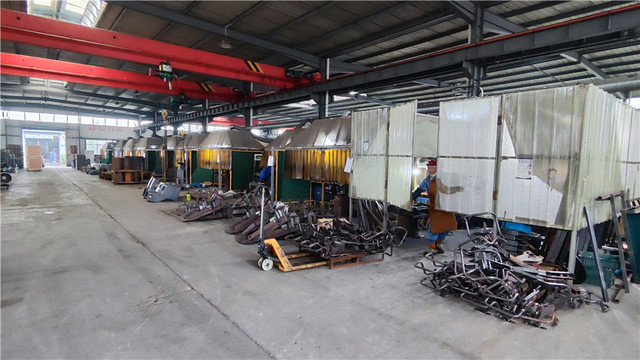
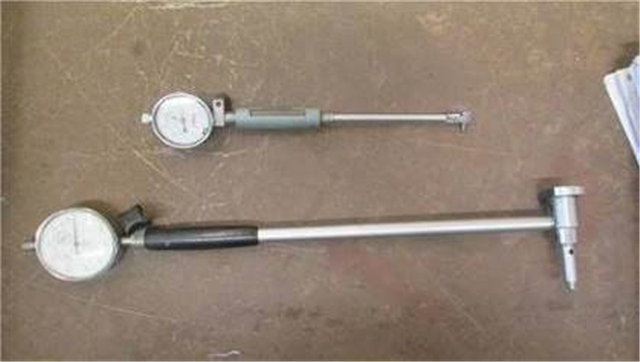
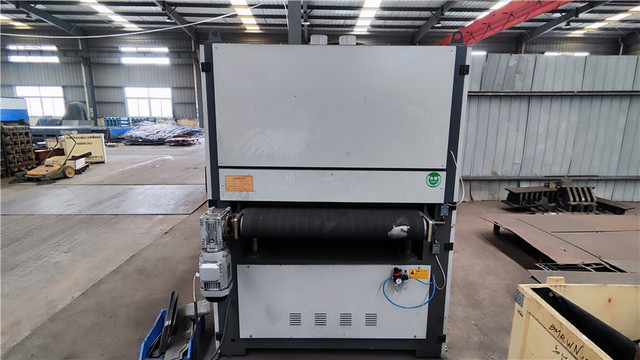
Essential answers to help you navigate international standards, logistics, battery life, and OEM/ODM options.
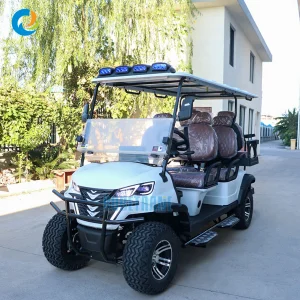
To ensure street legality, we equip vehicles with required safety components: a DOT-certified safety-glass windshield (with electric wiper), 3-point seat belts, reflective materials, integrated LED turn signals, high/low beam headlights, dual-side mirrors, a horn, and an electronic speedometer. Upon request, we supply 17-digit VIN numbers, allowing importers to register the vehicles as Low-Speed Vehicles (LSVs) locally.
Lithium Iron Phosphate (LiFePO4) batteries perform better than traditional lead-acid batteries on multiple fronts: they are over 100 kg lighter, which reduces motor strain and improves handling. They support rapid charging, require zero maintenance, and retain over 80% capacity even after 3,000 full charge cycles. Lead-acid batteries generally require replacement within 300 to 500 cycles.
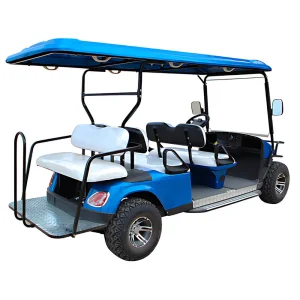
Our specialized engineering department supports custom chassis extensions (offering 2, 4, 6, and 8-seat variations), lifted suspensions for off-road environments, personalized branding decals, custom paint finishes, and custom dash layouts. We build prototypes and conduct physical stress-testing before beginning final assembly on any custom order.
Thanks to our close proximity to Ningbo Port, we dispatch containers quickly once production concludes. Average production lead times range from 25 to 35 days, depending on custom details and order size. Ocean transit typically takes 15 to 20 days to West Coast North American ports, 30 to 35 days to East Coast ports, and 30 to 40 days to Western European hubs.
Access our catalog of customized multi-passenger transports, heavy cargo configurations, and premium mobility components.
 Shiry Golf