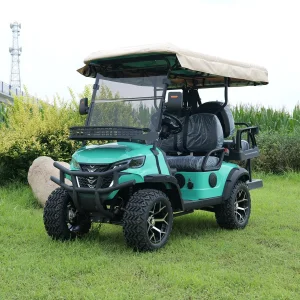
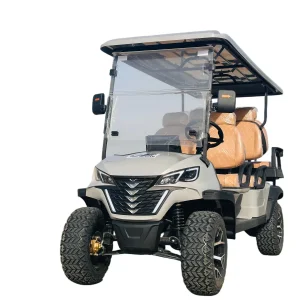
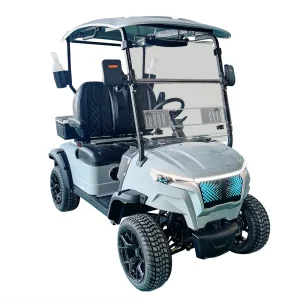
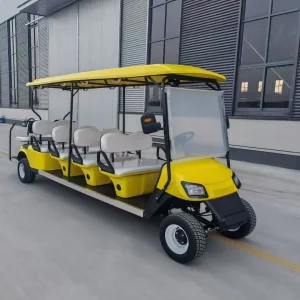
Explore our top engineered electric solutions built specifically to meet the high performance and low-maintenance requirements of elite golf clubs and commercial sites in Panama.
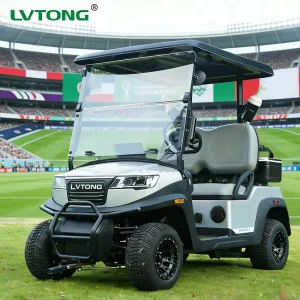
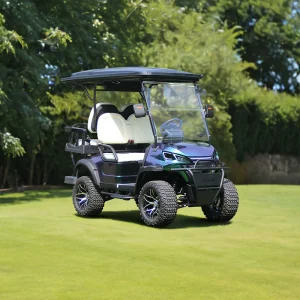
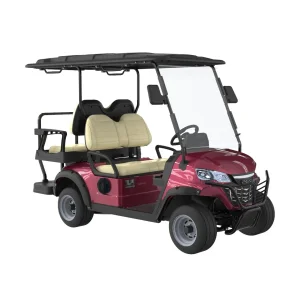
Panama's position as a premier logistics, financial, and luxury tourism hub in Central America has fostered a unique demand for clean, efficient, and reliable micro-mobility fleets. From upscale residential gated communities like Buenaventura, Santa Maria, and Costa del Este, to world-class 18-hole championship golf courses designed by Jack Nicklaus, the deployment of robust electric transportation systems has shifted from a luxury amenity to an operational necessity.
In accordance with global net-zero regulations and local corporate social responsibility (CSR) initiatives, Panama's tourism and real estate sectors are aggressively phasing out outdated, noisy Internal Combustion Engine (ICE) vehicles. Electrified golf courses and resort operations significantly reduce localized sound pollution and eliminate direct exhaust emissions. These practices enhance guest experience while driving down overall energy expenses and long-term fleet operational costs.
The application of modern golf cart technology in Panama extends far beyond traditional fairways. Modern designs support varied and demanding operating environments:
Operating electric utility vehicles in Panama exposes them to challenging atmospheric conditions. The combination of intense tropical rain, high humidity, and marine salt air requires robust corrosion protection and mechanical design. At Ningbo Shiry Golf Co., Ltd., we utilize advanced design methods to address these environmental factors:
Hot-dip galvanized steel frames combined with high-grade electrophoretic coating shield structural components from coastal salt-spray degradation.
Equipped with high-performance 72V 7.5kW AC induction motors to handle steep ascents on hilly resort courses without overheating.
Sealed wiring harnesses, marine-grade vinyl seating, and IP67 protected controllers guard components against torrential rainfall.
Traditional lead-acid batteries frequently suffer from accelerated self-discharge and electrolyte evaporation in warm, humid climates. To mitigate this, we offer Lithium Iron Phosphate (LFP) battery packs with integrated Battery Management Systems (BMS). Our LFP solutions deliver sustained performance at ambient temperatures above 35°C, ensuring consistent power output throughout their extended service life.
Importing premium fleet solutions requires a balanced evaluation of quality, design flexibility, and manufacturing efficiency. Ningbo Shiry Golf Co., Ltd. offers a comprehensive supply chain model from Ningbo, China—a premier manufacturing and global export hub.
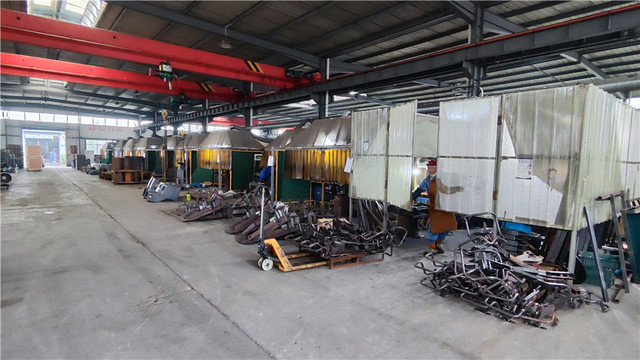
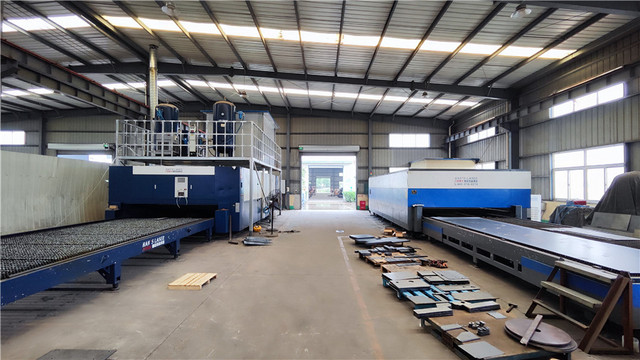
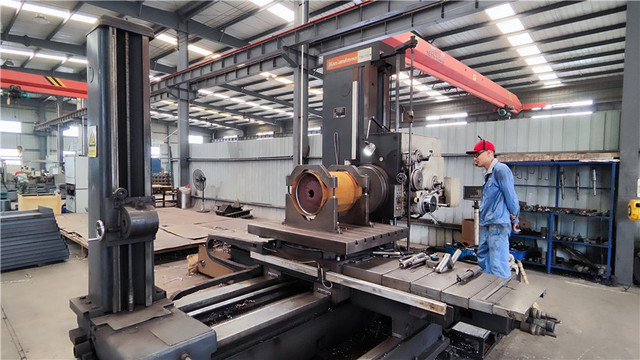
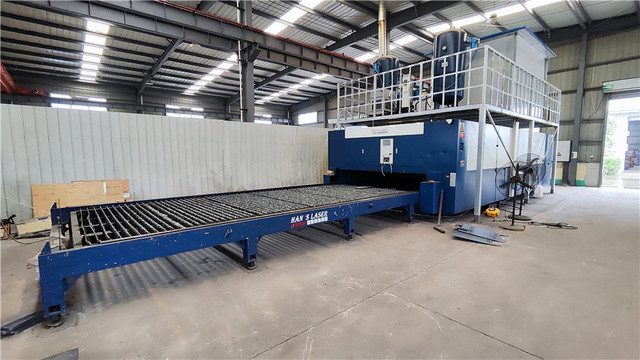
Established in 2013, Ningbo Shiry Golf operates a modern production facility spanning over 18,000 square meters. We leverage an experienced team of more than 280 professionals across engineering, precision assembly, quality management, and logistics to deliver custom-tailored mobility products globally.
We provide flexible OEM and ODM services, working directly with fleet managers and resort operators in Panama to deliver customized options:
• Custom body styling and brand colors matching resort aesthetics.
• Special seating configurations (2, 4, 6, 8-seater configurations).
• Custom lithium battery options designed for daily duty-cycle demands.
• Specialized equipment mounts for golf bags, food/beverage service, cargo, or hunting gear.
The utility vehicle market is experiencing rapid technological evolution. For procurement managers in Panama, remaining competitive requires adopting fleet configurations aligned with three key trends:
The conversion from heavy, maintenance-intensive flooded lead-acid batteries to lithium technology represents a major industry shift. Lithium configurations reduce overall vehicle weight by up to 150 kg, significantly minimizing turf damage on greens. They also eliminate the need for regular terminal cleaning and watering, and support opportunity charging during mid-day breaks without degrading battery health.
Modern golf courses rely on integrated software platforms to manage their assets. Fleet vehicles can be equipped with GPS and telematics systems to monitor battery state-of-charge, schedule preventative maintenance, and implement geo-fencing. Geo-fencing prevents vehicles from entering restricted zones, protecting both the turf and the vehicle.
Integrating canopy-mounted solar cells allows utility carts to continuously capture solar energy throughout the day. Under Panama's strong tropical sunlight, solar integration can extend daily range by up to 25%, reducing dependency on grid charging and lowering overall utility expenses.
Explore our extensive line of golf, resort, and specialty utility vehicles. Each model is engineered for reliability, safety, and operational efficiency.
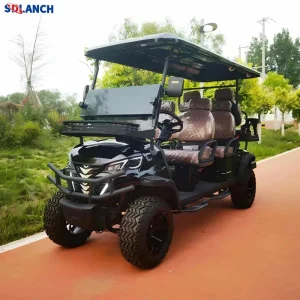
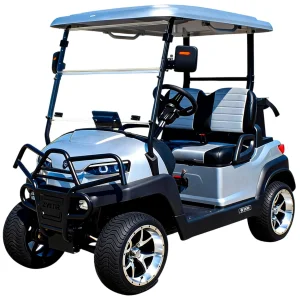


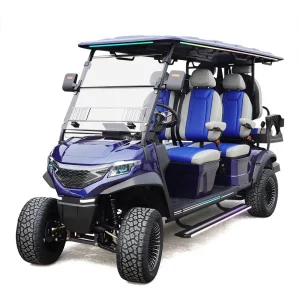
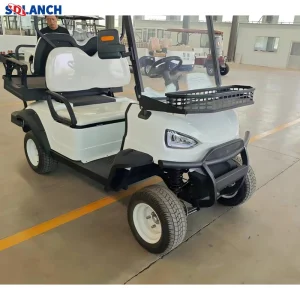
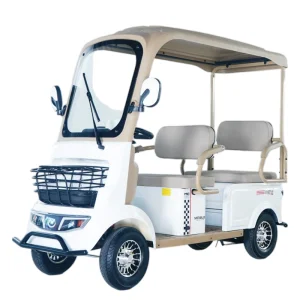
Heavy-duty, high-capacity, and eco-friendly electric buggy solutions tailored for airport shuttles, resort communities, and multi-purpose industrial facilities.
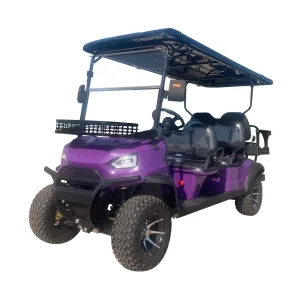

When sourcing golf cart fleets for commercial or resort use in Panama, buyers should evaluate key technical and operational parameters:
Select products that comply with regional and international safety guidelines. Standard certifications include:
• CE Certification for European electrical standards.
• DOT Certification for legal, low-speed street operation.
• ISO 9001 compliance, reflecting consistent quality control protocols at the manufacturing level.
Ningbo's proximity to the Port of Ningbo-Zhoushan supports streamlined container routing to major Panamanian maritime ports, including the Port of Balboa (Pacific access) and the Port of Cristobal (Atlantic access). Typical transit times range from 24 to 32 days, and vehicles are shipped in protective, knocked-down or semi-knocked-down (SKD) steel crates to prevent transit damage.
While the initial acquisition cost of electric vehicles is an important consideration, a comprehensive assessment should evaluate the Total Cost of Ownership over a typical 5 to 7-year cycle. Upfront investments in lithium-ion platforms are offset by reduced electrical consumption, the elimination of battery replacements, and lower labor costs for maintenance, delivering long-term savings.
Get answers to common technical, logistics, and customization questions regarding importing and operating our electric fleets in Panama.
For standard configurations, production at our Ningbo facility takes approximately 20-30 days. Ocean transit from the Port of Ningbo to either Balboa or Cristobal ports in Panama takes an additional 25-30 days. In total, expect delivery within 50-60 days from order confirmation and technical approval.
Our Lithium Iron Phosphate (LiFePO4) battery packs are designed to operate reliably in high-temperature environments. Unlike traditional lead-acid batteries, our sealed packs feature active thermal monitoring within the BMS to prevent overheating, thermal runaway, or capacity loss in Panama's warm and humid conditions.
Yes. Through our OEM/ODM services, we can configure vehicle body panel colors, select custom seat materials, and apply resort logos or branding directly at the factory. We also support custom utility configurations, including flatbeds, cargo boxes, and beverage distribution inserts.
Our chassis frames undergo hot-dip galvanization and electrocoating (e-coat) processing to resist rust. Suspension components are powder-coated, and we use stainless steel fasteners and marine-grade, water-resistant electrical connectors to extend vehicle service life in coastal environments.
Contact our engineering and sales teams to request a custom quote, arrange a consultation, or review custom options for your operations in Panama.
Send Inquiry Now Shiry Golf