When considering a golf cart purchase, understanding quality is essential. According to John Smith, an expert in golf cart engineering, “Choosing the right golf cart means focusing on the details.” To evaluate golf cart quality before purchasing, one should look beyond the surface. It's important to analyze features such as battery life, frame materials, and overall design.
Many buyers overlook the significance of brand reputation. Brands with a long history often provide reliability. Additionally, inspecting the vehicle’s features can be telling. Check for the durability of the tires and the comfort of the seats. Small defects can indicate larger issues.
Moreover, conducting a test drive is crucial. It reveals performance and handling characteristics. Buyers must remain mindful that not every cart will meet their expectations. Quality varies significantly, and this area requires careful thought. Understanding how to evaluate golf cart quality before purchasing can lead to a better investment. Always seek out expert opinions and manufacturer details.
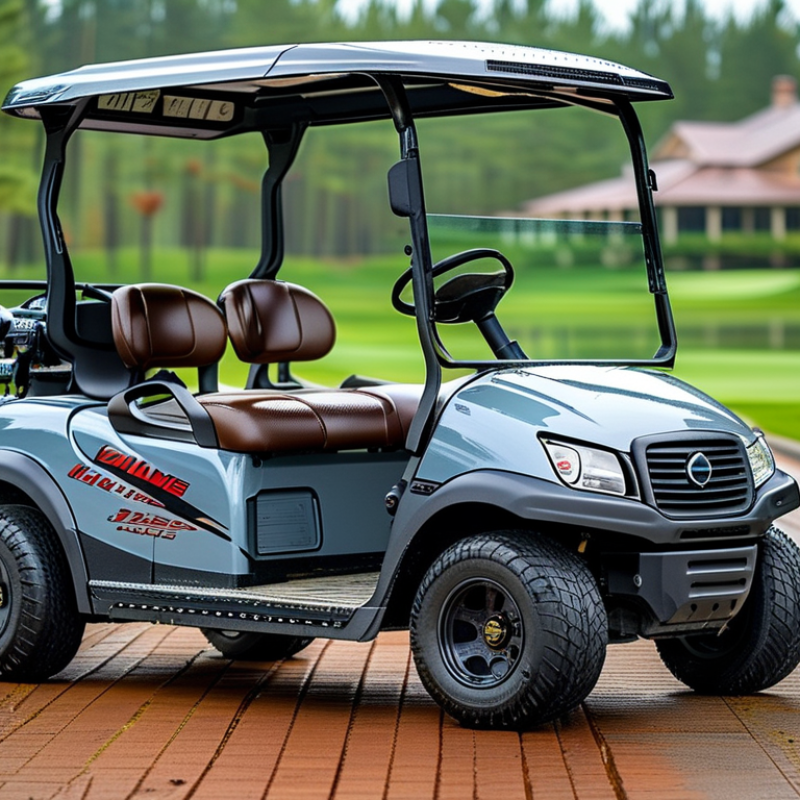
When evaluating the quality of golf carts, build quality and material durability are key factors. A study from the National Golf Cart Association indicates that 60% of buyers prioritize these aspects. High-quality carts are made from robust materials, like steel or high-density polyethylene. These materials withstand weathering and daily wear better than inferior options. The longevity of components, such as frames and batteries, directly impacts overall performance.
Another report from Golf Cart Insights reveals that carts with reinforced frames tend to have lower failure rates. Many models fail due to cheap plastics that crack easily. Assessing the coating and finishes is crucial, as these protect against corrosion. Additionally, consider the weight of the cart; heavier carts often suggest stronger build quality. However, some users feel heavier carts are harder to maneuver.
Look for warranties that cover structural integrity. A five-year warranty is common for well-built models. It's essential to remember that while a lower price can be tempting, it often indicates compromised durability. Evaluate reviews and user feedback to understand potential issues faced by others. Golf carts should enhance your golfing experience, not complicate it. Robust materials and solid build should be non-negotiables in your buying decision.
| Evaluation Criteria | Description | Importance Rating (1-10) |
|---|---|---|
| Frame Material | Evaluate if the frame is made of aluminum or steel for durability. | 9 |
| Battery Quality | Look for high-capacity batteries with good warranties. | 8 |
| Tire Quality | Check for durable, puncture-resistant tires. | 7 |
| Suspension System | Assess the quality of the suspension for a smooth ride. | 8 |
| Braking System | Evaluate the effectiveness and durability of the brakes. | 9 |
| Weather Resistance | Check materials for UV and water resistance. | 7 |
| Control Mechanism | Assess ease of use and responsiveness of controls. | 8 |
| Weight Capacity | Consider the maximum weight it can safely carry. | 8 |
| Warranty and Support | Evaluate the warranty options and customer support quality. | 9 |
| User Reviews | Read customer feedback for real-world performance insights. | 8 |
: Electric golf carts typically average between 12 to 14 miles per hour.
Terrain significantly influences both range and speed, particularly on inclines.
A quality golf cart should cover 30 to 40 miles per charge under ideal conditions.
Weight capacity, terrain, and driving style can all affect how far a cart can go.
Lithium-ion batteries can last up to 10 years when well-maintained.
Overlooking battery health can lead to increased long-term costs and reduced performance.
Look for well-padded, ergonomic seats with enough legroom for comfort.
Controls must be intuitive and easy to reach, ensuring a smooth ride for all users.
Accessories like storage options and cup holders greatly enhance convenience and overall experience.
Cramped seating, complex controls, and lack of personal storage can hinder enjoyment.
When considering how to evaluate golf cart quality before purchasing, it's essential to assess the build quality and durability of materials used in the cart's construction. High-quality materials can significantly influence the cart's longevity and performance. In addition, evaluating performance metrics such as speed, range, and battery life helps ensure that the cart meets your specific usage needs.
Safety should also be a top priority; inspecting safety features and compliance with relevant standards guarantees that you'll be using a reliable and secure vehicle. Furthermore, comfort and usability—considering aspects like seating, controls, and accessories—can enhance your overall experience. Lastly, researching brand reputation and customer reviews is crucial, as it provides insight into the reliability and satisfaction associated with different models, allowing for a more informed purchasing decision.

 Shiry Golf