When people ask, “what is a golf cart used for,” they often expect a simple answer about moving between golf holes. In practice, its role can be much broader. Golf carts transport players, clubs, and small equipment across large courses with less walking. They also support course staff during maintenance, inspections, and daily operations. At a resort, a cart may carry guests from a room to the pool, restaurant, or reception area. That short ride can make a property feel more accessible and convenient.
Outside traditional golf settings, electric carts serve campuses, warehouses, farms, retirement communities, and private properties. They can move tools, supplies, or several passengers over short distances. Quiet electric motors are useful near lodging areas and workplaces. Lower operating speeds may also help reduce fuel use and routine noise. However, these benefits depend on proper charging, maintenance, passenger limits, and suitable terrain. A cart is not automatically safe or efficient everywhere.
Small details matter. A weak battery can interrupt a busy morning. Uneven ground may require a model with stronger suspension and better clearance. Weather protection can also change the comfort of a daily journey. The right choice depends on distance, load, surface, and local operating rules. Not every buyer needs the most powerful model. Sometimes, a simpler cart works better. That point deserves careful thought, because convenience can encourage overuse and careless driving. Understanding the main uses and practical benefits helps buyers, managers, and property owners choose equipment with more confidence.
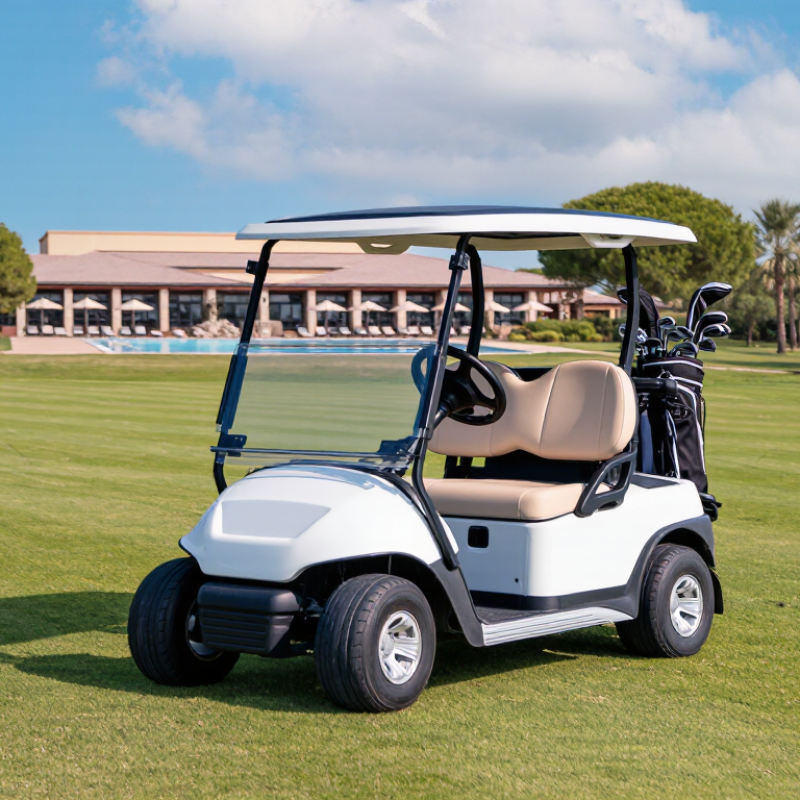
Golf Cart Basics: 2–6 Seats, Electric or Gas Power, and 10–15 mph
What Is a Golf Cart Used For? Top Uses and Benefits
Golf carts are compact vehicles designed for short-distance travel and light transport. Most models carry two to six people, making them practical for golf courses, resorts, campuses, farms, and large private properties. Their typical speed ranges from 10 to 15 mph, so they feel steady rather than fast. This moderate pace helps drivers notice pedestrians, uneven ground, and sharp turns. They are useful for carrying clubs, tools, groceries, or small equipment. However, a golf cart is not automatically suitable for every public road.
Electric and gas-powered carts serve different needs. Electric models usually create less noise and need regular charging. They work well for quiet neighborhoods, indoor facilities, and repeated short trips. Gas models can support longer operating periods and quick refueling, but they produce exhaust, engine noise, and require more routine maintenance. Seat capacity also affects handling. A six-seat cart may need more space to turn and brake safely. Small details matter.
Tips:
Check the cart’s weight limit before carrying passengers or supplies. Inspect tires, brakes, lights, and battery levels before use. Keep both hands on the wheel, especially on slopes. Follow local access rules, because speed limits and road permissions vary. A helmet may be sensible in some settings, although it cannot replace careful driving. Some carts seem simple, but poor loading can make them unstable.
Golf Course Operations: Transporting Players and Equipment Across 18 Holes
Golf carts are essential tools in daily golf course operations. They move players, clubs, water, scorecards, and maintenance supplies across 18 holes. A well-planned cart route reduces walking time and helps groups maintain a steady pace. It also supports players who may struggle with long distances or uneven ground.
Keep it steady.
Course staff usually inspect tires, brakes, steering, lights, and battery levels before busy periods. They may position carts near the first tee, then prepare additional vehicles near later holes. This matters when weather changes quickly or a player needs assistance. Carts should follow marked paths, avoid wet turf, and slow down near greens, bridges, and crowded areas. Small choices protect the course and reduce unnecessary repairs.
However, carts are not a perfect solution. Poor parking can block access points, damage delicate grass, or delay another group. A rushed driver may also miss a warning sign or carry equipment unevenly. Staff training helps, but real conditions remain unpredictable. On hilly layouts, route planning deserves extra attention. A cart that performs well on flat ground may lose efficiency on steep sections. Regular inspections and clear operating rules make transportation safer, more reliable, and easier to manage.
Golf Cart Operations Across an 18-Hole Round
Golf carts help transport players, golf bags, and operational supplies between holes. The chart shows typical full-round route coverage across the three main course-operation tasks.
Neighborhood Travel: Understanding the U.S. 25-mph Low-Speed Vehicle Limit
A golf cart can make neighborhood travel easier, especially for short trips under a few miles. People use it for errands, school runs, community patrols, and moving supplies around large properties. Its small size reduces parking stress and may use less energy than a full-size vehicle. However, a golf cart and a low-speed vehicle are not always the same.
In the United States, many low-speed vehicles are designed for speeds up to 25 mph. This limit supports travel on suitable neighborhood roads, but it does not provide automatic access to every public street. Local authorities may require registration, insurance, lights, seat belts, mirrors, and a valid driver’s license. Road access also depends on posted speed limits and local rules. A quiet street can create false confidence. That distinction is easy to miss, even for careful buyers.
Tips: Check your city and state requirements before driving. Confirm whether the vehicle is classified as a golf cart or an LSV. Measure your usual route, including hills, crossings, and evening conditions. Keep the speed near 25 mph or below, and never treat the limit as a target in crowded areas. Practical experience shows that weather, passengers, and loose cargo can change handling quickly. The convenient choice can still need more planning than expected.
What Is a Golf Cart Used For Top Uses and Benefits? - Neighborhood Travel: Understanding the U.S. 25-mph Low-Speed Vehicle Limit
| Primary Use |
Typical Setting |
Practical Function |
Common Travel Range* |
Main Benefit |
Important Consideration |
| Neighborhood Transportation |
Residential communities and private roads |
Short trips to nearby homes, parks, mail areas, and community facilities |
1–5 miles |
Convenient mobility for short-distance travel |
Public-road access depends on local and state regulations |
| Campus and Facility Transport |
Schools, hospitals, resorts, and large private properties |
Moves people, equipment, and supplies between buildings |
0.5–3 miles per trip |
Reduces walking time across spread-out facilities |
Passenger capacity and load limits must be followed |
| Golf Course Operations |
Golf courses and practice facilities |
Carries players and golf equipment between course areas |
2–6 miles per round |
Improves access to long or hilly courses |
Course rules may restrict speed, passengers, or wet-ground use |
| Maintenance and Grounds Work |
Parks, campuses, farms, and private estates |
Transports tools, small materials, waste containers, and workers |
1–4 miles per trip |
Useful maneuverability in areas where larger vehicles are impractical |
Cargo weight and towing capacity vary by vehicle configuration |
| Event and Hospitality Shuttle |
Outdoor events, lodging areas, and visitor destinations |
Provides short-distance passenger service and accessibility support |
0.5–3 miles per trip |
Can improve visitor circulation and reduce vehicle congestion |
Operators should account for pedestrian traffic and weather conditions |
| Personal Mobility |
Private property and planned communities |
Supports everyday trips for people who prefer a slower, open vehicle |
1–5 miles |
Simple controls and easy boarding can support local mobility |
It is not a substitute for a properly equipped mobility device |
| Low-Speed Road Travel |
Roads permitted by local authorities |
Connects nearby neighborhoods and local destinations |
1–10 miles |
Offers an alternative for short trips that do not require a full-size car |
A federally defined low-speed vehicle must meet applicable equipment and safety requirements |
U.S. speed and road-use note: Under federal vehicle definitions, a low-speed vehicle is designed for speeds greater than 20 mph but not greater than 25 mph. Federal rules generally connect these vehicles with roads having a posted speed limit of 35 mph or less, while state and local laws may impose additional requirements. A traditional golf cart may not qualify as a street-legal low-speed vehicle.
*Travel ranges are practical planning estimates for short-distance use, not guaranteed vehicle specifications. Actual range depends on battery condition, terrain, passenger or cargo load, weather, speed, and maintenance.
Commercial Mobility: Moving People and Materials Across Private Facilities
What Is a Golf Cart Used For? Top Uses and Benefits
Commercial mobility is a golf cart’s most practical role. It moves staff, visitors, tools, and light materials across private facilities. Hotels use carts between buildings. Hospitals use them for campus transport. Warehouses use utility beds for small deliveries. Event venues use them behind the scenes, where full-size vehicles feel excessive.
The details matter. A four-seat cart can carry guests across a resort, while a utility model may move bins, maintenance tools, or boxed supplies. Facilities should check payload limits, turning space, charging access, and pedestrian routes before purchase.
A cart is not a miniature truck. That distinction is often ignored.
Grand View Research estimated the global golf cart market at about 1.7 billion dollars in 2022, with projected annual growth near 6.7% through 2030. Allied Market Research also forecasts strong expansion, although its market estimates differ because research methods vary.
Electric models can reduce local noise and exhaust, especially on indoor or semi-enclosed campuses. They also support predictable short-distance routes. However, battery charging, weather protection, and uneven terrain still affect performance.
A 2024 International Energy Agency report highlights fleet efficiency and electrification as important transport trends, but it does not measure golf carts directly. That limitation deserves attention. Managers should track trip times, energy use, maintenance hours, and incidents for several months. Practical data beats optimistic assumptions.
Benefits and Safety: Comparing Energy Use, Accessibility, Costs, and Risk
Golf carts support short-distance travel on campuses, resorts, farms, warehouses, and large private properties. Their compact size reduces walking time and can lower energy use compared with full-sized vehicles. However, efficiency depends on terrain, payload, battery condition, and charging habits. A cart carrying tools uphill may consume far more energy than one moving lightly on level ground.
Accessibility is another practical benefit. A low step-in height and open seating can help older adults or people with limited mobility. Yet not every cart suits every user. Some models lack supportive seating, weather protection, or space for mobility equipment. Costs also vary. Purchase price is only one part of ownership. Charging equipment, battery replacement, tires, inspections, and routine servicing affect the long-term budget. Used carts may appear affordable, but hidden wear can change the calculation.
Tips: Check the route before use. Look for slopes, loose gravel, blind corners, and pedestrian traffic. Keep loads balanced and secure. Use seat belts where fitted, slow down near crossings, and avoid carrying more passengers than the seats allow. Operators should receive basic training, even on private property. In real-world use, convenience can create overconfidence. That is where avoidable risks begin. A simple pre-use check can catch weak brakes, low tire pressure, or poor visibility. Rules and local site requirements should also be reviewed before regular operation.
Conclusion
What is a golf cart used for? It is a compact vehicle designed to move people and light equipment over short distances. Most golf carts carry two to six passengers and run on either electric batteries or gas engines, typically reaching speeds of about 10–15 mph. On golf courses, they help players travel between holes while carrying clubs, bags, and other equipment, making large courses easier to navigate.
Beyond the course, golf carts can support neighborhood transportation where local rules permit, as well as commercial mobility on private properties such as campuses, resorts, warehouses, and event venues. Their main benefits include lower energy use, easier access for people with limited mobility, reduced operating costs, and convenient movement through spacious facilities. However, safe use remains essential: operators should follow posted speed limits, use seat belts when available, avoid overloading the vehicle, and remain alert around pedestrians, slopes, and other traffic.

 Shiry Golf