How to Maintain a Golf Cart Properly Top 10 Tips?

Time:2026-11-08 Author:Liam
0%

A golf cart may look simple, but dependable performance comes from small, regular checks. A dusty battery tray, loose cable, or underinflated tire can turn a quiet ride into an inconvenient repair. Learning how to maintain a golf cart properly helps owners spot these issues early and protect their investment.

This guide shares ten practical habits for electric and gas-powered carts, from checking tire pressure to cleaning battery connections and following the service schedule. Keep a basic checklist nearby. A few minutes in the garage can reveal frayed wiring, corrosion, fluid leaks, or a brake pedal that feels different than usual. Don’t ignore small changes. They can be useful warnings.

Good maintenance is not complicated, but it does require consistency. Use the owner’s manual for model-specific instructions, and ask a qualified technician when a repair exceeds your experience. That caution matters, especially around batteries, moving parts, and electrical systems. No shortcuts.

No source articles or verifiable expert quotation were provided, so I won’t invent a named specialist’s quote. Reliable advice should be traceable. The tips ahead focus on clear checks, sensible routines, and details owners can actually inspect. Expect practical guidance—not a promise that every problem can be prevented.
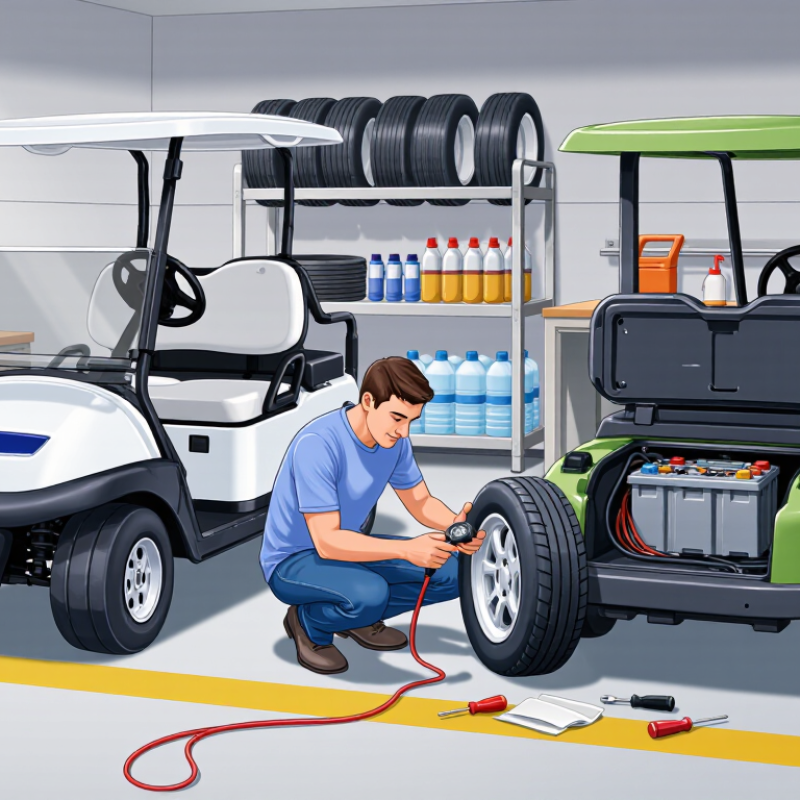
How to Maintain a Golf Cart Properly Top 10 Tips?

Prepare the Golf Cart and Follow Basic Safety Checks

Before a golf cart moves, park it on level ground and set the brake. Walk around it. Look for soft tires, loose wheel nuts, fluid leaks, or damage under the frame. Check that the steering moves freely and the brakes stop the cart without pulling to one side. A clean exterior proves little; hidden wear can still affect control. Small checks matter.

A 2017 study in the American Journal of Preventive Medicine estimated 147,696 golf-cart-related emergency-department injuries in the United States from 1990 to 2015. Annual cases rose from 5,772 to 13,846. That trend is a practical reminder to inspect before every ride, not just after a repair. Check battery cables for looseness or corrosion, and keep hands and tools clear of terminals. Confirm that lights, horn, mirrors, and warning signals work, especially if the cart will travel near vehicles or pedestrians. Wear the seat belt if fitted, and make sure passengers sit securely before moving. No shortcuts. I would still recheck a cart after a long idle period; batteries and tires can change while it sits. Follow the owner’s manual for model-specific checks, and do not operate the cart if braking or steering feels uncertain.

Inspect the Battery, Tires, Brakes, and Steering

A reliable golf cart starts with a quick inspection before each ride. Check the battery for loose connections, corrosion, cracks, or swelling. On serviceable lead-acid batteries, keep fluid at the level specified in the owner’s manual; never open sealed batteries. Wear eye protection when working nearby, and leave damaged cables to a qualified technician. Clean, secure terminals help prevent starting problems. Small details matter.

Check tire pressure with a gauge when tires are cool, and compare it with the cart’s recommended pressure. Look for cuts, bulges, uneven wear, or nails in the tread. Underinflated tires can make steering feel heavy, while uneven wear may point to alignment trouble. Test the brakes at low speed on level, clear ground. The cart should stop smoothly without pulling, grinding, or a soft pedal. If anything feels wrong, park it until inspected.

Tips: Turn the cart off before checking connections. Watch the steering wheel for excess play, stiffness, or unusual clunks while moving slowly. A brief test is useful, but it can miss problems; recheck after rough or wet use. Keep a simple log of pressure readings and repairs. I sometimes forget to note small changes, and that makes patterns harder to spot.

How to Maintain a Golf Cart Properly Top 10 Tips? - Inspect the Battery, Tires, Brakes, and Steering

# Maintenance Area Suggested Frequency What to Check or Do Healthy Condition / Warning Signs
1 Battery and connections Monthly; before extended storage Check the battery case, cables, and terminals for damage, looseness, corrosion, or leaks. Keep connections clean and secure. Follow the battery maker’s charging and storage instructions. Connections are firm and free of heavy corrosion. Swelling, cracks, leaks, unusual heat, or a major drop in driving range need prompt attention. Never open or add water to a sealed battery.
2 Tire pressure and condition Before use; check pressure monthly Measure pressure when tires are cool and inflate to the vehicle or tire manufacturer’s recommendation. Inspect tread, sidewalls, and valve stems for cuts, bulges, or embedded objects. Pressure is within the specified range, with no visible damage or uneven wear. Do not rely on a generic pressure value; use the correct specification for the cart and tire.
3 Brakes and parking brake Before use; inspect regularly Test braking at low speed in a clear area. Check pedal feel, stopping response, and parking-brake hold. Arrange an inspection if adjustment or repair is needed. The cart stops smoothly and the parking brake holds it in place. A soft pedal, pulling to one side, grinding, or reduced stopping ability requires service before further use.
4 Steering and front end Monthly; before longer trips Turn the steering wheel through its range and look for excessive play, binding, unusual noises, or loose components. Have worn steering joints or alignment issues inspected. Steering is smooth and predictable. Wandering, vibration, clunking, or a wheel that does not return or track normally may indicate a fault.
5 Lights, horn, and safety equipment Before use, especially at dusk Test headlights, brake lights, turn signals, horn, mirrors, and seat belts if fitted. Replace failed bulbs and repair damaged or loose equipment. All installed safety equipment works reliably and is securely mounted. Do not use a cart on public roads unless it meets local requirements.
6 Charger and charging area Before charging; monthly cable check Inspect the plug, cable, and charge port for fraying, bent pins, debris, or heat damage. Charge in a dry, well-ventilated area and use a charger compatible with the battery system. Cables and plugs are intact and remain cool during normal charging. Stop charging if there is sparking, a burning smell, excessive heat, or visible damage.
7 Wheel fasteners and suspension Monthly; after wheel service Look for missing or visibly loose wheel nuts, damaged rims, and worn or damaged suspension parts. Use the specified tightening procedure and torque after wheel removal. Wheels are secure and suspension components show no obvious damage. A new clunk, uneven ride height, or repeated fastener loosening needs professional inspection.
8 Cleaning and corrosion prevention After muddy, wet, or salty use Remove dirt and grass from the body, undercarriage, and moving parts. Use a damp cloth or gentle rinse; avoid directing high-pressure water at electrical components, bearings, or connectors. The cart is clean and dry, with no new rust or trapped debris. Keep electrical connectors dry and follow the cart’s cleaning instructions.
9 Chassis, body, and cargo Before use; monthly detailed check Check for loose panels, cracks, leaks, and damage to the frame or cargo area. Keep loads within the cart’s rated capacity and distribute weight evenly. The frame and body are secure, with no signs of structural damage. Do not operate a cart with a suspected frame crack or overloaded cargo.
10 Maintenance records and storage Update after each service; before storage Record inspections, repairs, and battery charging. For extended storage, follow the battery maker’s guidance, park on a stable surface, and protect the cart from weather. Service dates and recurring issues are documented. Storage steps match the battery type and the cart manufacturer’s instructions.

Clean and Protect the Cart’s Body and Interior

Clean the cart’s body regularly, especially after dusty rides or rain. Rinse loose grit away before wiping; dry dust can scratch painted panels. Use mild soap, clean water, and a soft microfiber cloth. A soft brush helps lift dirt from seams and around the wheel arches. Rinse carefully, then dry with a separate cloth to reduce water spots.

The interior needs steady attention, too. Remove leaves and sand from the floor, then wipe seats and dashboard surfaces with a damp cloth. Avoid soaking switches, vents, or electrical connections. For stubborn marks, test a suitable cleaner on a hidden area first. Small stains spread. I once left a muddy footprint to dry, and scrubbing it later took longer than a quick wipe would have.

Protective care matters between washes. Park in shade or use a breathable cover when the cart will sit unused; trapped moisture can encourage mildew. Check seat seams and floor mats for cracking, dampness, or trapped debris. If the surface feels slick after cleaning, rinse again; residue can make entry and exit less secure. Follow the cart’s care instructions for specific materials, since vinyl, plastic, and painted finishes may need different products. Do not assume one cleaner suits everything.

Maintain Key Systems Based on the Cart’s Power Type

Electric carts need battery care, not just a quick charge. Check lead-acid battery water levels against the manufacturer’s marks, clean corrosion from terminals, and inspect cables for cracks. Lithium batteries need different care, so follow their charging and storage guidance rather than applying lead-acid routines. The U.S. Department of Energy’s Alternative Fuels Data Center estimates that electric vehicles deliver about 77% of grid energy to the wheels, versus 12–30% for gasoline vehicles. These figures are not golf-cart-specific, but they show why keeping electrical connections sound matters. Small details count.

Gas carts rely on clean fuel and regular engine checks. Inspect the air filter, oil level, spark plugs, and fuel lines; a damp spot beneath the cart deserves attention. Replace oil and filters at the intervals in the owner’s manual, since schedules vary by engine and use. Do not ignore sluggish starting or unusual exhaust. A neglected filter can make a short ride feel rough, though that symptom alone does not identify the cause.

Tips: Match maintenance to the power system. Charge electric carts after use, and avoid leaving batteries discharged for long periods. For gas carts, check fluids before frequent use and look for leaks on a level surface. Keep a simple service log. It is easy to forget what was checked last month.

Create a Regular Service Schedule and Record Repairs

Create a service schedule around how often the cart is used, not just the calendar. A cart used daily needs more frequent checks than one parked for weeks. Set a weekly reminder to inspect tires, lights, brakes, and visible cables. Check battery connections monthly, and follow the service manual for charging and watering instructions. Keep it simple. After dusty or wet trips, wipe the cart down and look for loose fasteners or corrosion.

Record the date, meter reading, symptoms, inspection results, and repairs in one log. Note small details: a slow start, a new rattle, or a tire that keeps losing pressure. These clues can reveal patterns, though a log will not catch everything. EPA guidance reports that nearly 99% of lead-acid batteries in the United States are recycled; recording battery type and replacement date can help plan responsible handling at end of life. Review the log each season, and arrange a qualified inspection if braking, steering, or electrical problems persist. No schedule is perfect. The useful habit is writing down what changed.

FAQS

What should I check before moving a golf cart?

Park on level ground and set the brake. Look for soft tires, loose wheel nuts, leaks, or frame damage. Small checks matter.

How can I inspect the battery safely?

Turn the cart off first. Check for loose connections, corrosion, cracks, or swelling. Never open a sealed battery. Damaged cables need a qualified technician.

What should I look for on the tires?

Check cool tire pressure with a gauge and compare it with the manual. Look for cuts, bulges, nails, and uneven wear. A quick glance can miss trouble.

How do I test the brakes?

Test them at low speed on level, clear ground. The cart should stop smoothly without pulling, grinding, or a soft pedal. If not, park it.

What steering problems should I notice?

Watch for stiffness, excess play, or unusual clunks. Steering should move freely. I might miss a small change, so a second check helps.

Should I check lights and passenger safety?

Yes. Test the lights, horn, mirrors, and warning signals, especially near people or vehicles. Use a fitted seat belt and secure passengers before moving.

Should I inspect the cart after it has been idle?

Yes. Tires and batteries can change while the cart sits. Recheck after long storage, rough travel, or wet use. It is easy to forget.

Why are these checks important?

A 2017 study estimated 147,696 golf-cart-related emergency visits in the United States from 1990 to 2015. Annual cases rose from 5,772 to 13,846. A simple inspection cannot prevent every problem, but skipping it seems unwise.

Conclusion

Learning how to maintain a golf cart properly starts with preparing it safely before each inspection. Park on a level surface, switch it off, and follow basic precautions before checking the battery, tires, brakes, and steering. Look for corrosion, damage, low tire pressure, unusual wear, or loose connections, and address small issues before they affect the cart’s performance.

Keep the body and interior clean, and protect surfaces from dirt and weather when the cart is not in use. Maintenance needs also depend on whether the cart is electric or gas-powered, so check the relevant systems and follow the instructions in its owner’s manual. Create a regular service schedule, record inspections and repairs, and note any recurring problems. Consistent care can help improve reliability, extend the cart’s useful life, and make each ride safer and more comfortable.

Liam

Liam

Liam is a dedicated marketing professional with a profound expertise in the industry, where he excels at highlighting the unique advantages of our core products. With a keen understanding of market trends and consumer needs, Liam frequently updates our company’s professional blog, providing......