How long can a golf cart serve before repairs become unavoidable? Many buyers ask, “what is the lifespan of a golf cart,” but the answer depends on design, maintenance, battery type, and daily use. China’s golf cart market now includes many electric models, utility carts, and low-speed vehicles. Their service lives can differ widely.
A well-maintained electric golf cart may operate for 10 to 20 years. Its lead-acid batteries often last three to five years. Lithium batteries can commonly serve six to ten years, depending on charging habits. A cart used on smooth resort paths may age slowly. A working cart carrying heavy loads on rough ground faces greater stress. Brakes, suspension joints, tires, wiring, and chargers all need attention.
Our China top 10 golf cart lifespan review examines these differences with practical details. We consider manufacturer specifications, owner experience, battery replacement costs, climate exposure, and repair support. A dusty warehouse, salty coastal air, and repeated steep climbs can shorten service life. Small maintenance choices matter. Cleaning battery terminals helps. Correct tire pressure helps too.
Still, no ranking can predict every cart’s future. A premium model can fail early when neglected. A basic model may remain dependable for years with careful servicing. That uncertainty deserves attention. Lifespan is not only a factory number. It reflects how the cart is built, used, stored, and repaired. This guide offers realistic expectations rather than perfect promises.
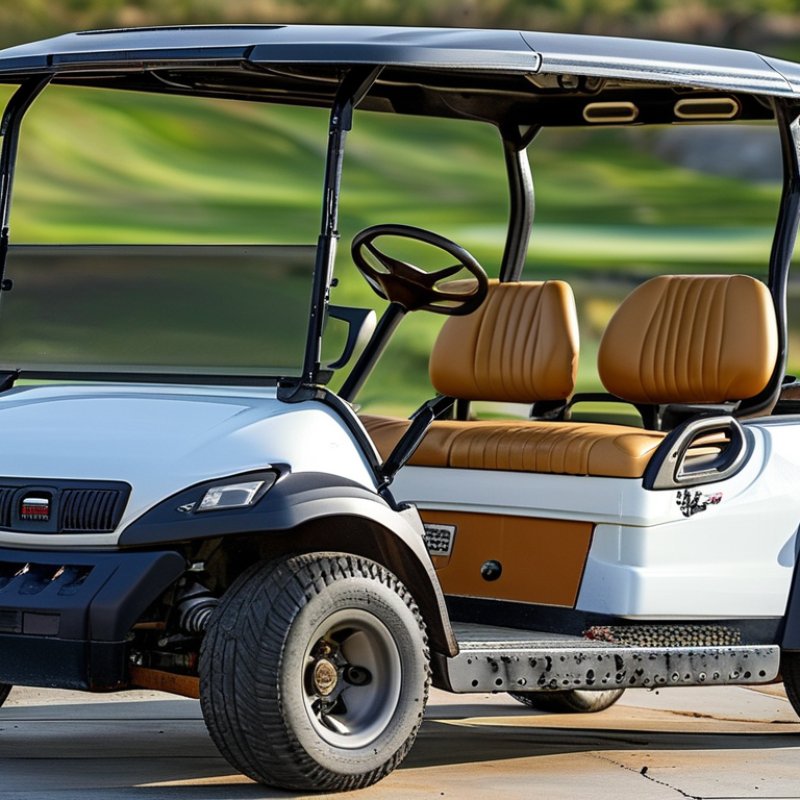
In China, the average golf cart lifespan is about 8 to 12 years. This estimate varies with vehicle quality, working conditions, and maintenance habits. Carts used in resorts may last longer than those serving factories, farms, or large construction sites. Frequent stops, heavy loads, steep roads, and humid coastal air can shorten service life. Battery performance often changes first. Lead-acid batteries commonly last 3 to 5 years, while lithium batteries may serve for 6 to 10 years under suitable conditions. The chassis and motor can last longer when inspected regularly.
Tips: Keep tire pressure correct and charge the battery according to its manual. Clean battery terminals and check cables every month. Store the cart under shelter during heavy rain and extreme heat. Reduce overloads. Small checks prevent expensive failures.
Real-world results are not perfectly consistent. A well-maintained cart may exceed 12 years, while a neglected cart may require major repairs after five years. In my experience, service records give a better prediction than the purchase date. Watch for weak braking, unusual motor noise, reduced climbing power, and rapid battery loss. These signs do not always mean replacement is necessary. Sometimes, a battery change or wiring repair restores useful performance. However, repeated faults may indicate that continued repairs are no longer economical. Local technicians should test the battery, controller, charger, and frame before estimating the remaining lifespan.
| Rank | Golf Cart Application in China | Typical Service Life | Approximate Annual Use | Battery Replacement Cycle | Main Lifespan Factors | Common Replacement Indicators |
|---|---|---|---|---|---|---|
| 1 | Private residential and community transport | 8–12 years | 300–700 operating hours | Lead-acid: 3–5 years Lithium-ion: 6–10 years |
Charging habits, storage conditions, road quality, and seasonal use | Reduced range, frequent charging, frame corrosion, or repeated electrical faults |
| 2 | Golf course passenger transport | 6–10 years | 1,000–2,000 operating hours | Lead-acid: 2–4 years Lithium-ion: 5–8 years |
Daily operating hours, hills, grass or paved surfaces, load weight, and maintenance quality | Lower climbing performance, brake wear, noisy suspension, or declining travel distance |
| 3 | Resort and scenic-area shuttle service | 5–8 years | 1,500–3,000 operating hours | Lead-acid: 2–4 years Lithium-ion: 4–7 years |
High passenger loads, long routes, frequent stops, weather exposure, and driver operation | Frequent downtime, unstable acceleration, worn seats, and rising repair costs |
| 4 | Hotel, villa, and tourism-property shuttle | 6–10 years | 900–1,800 operating hours | Lead-acid: 3–5 years Lithium-ion: 5–8 years |
Passenger frequency, charging control, cleaning routines, and exposure to humidity | Shortened driving range, declining ride comfort, rust, and repeated controller faults |
| 5 | Factory and industrial-park logistics | 5–9 years | 1,500–3,500 operating hours | Lead-acid: 2–4 years Lithium-ion: 4–7 years |
Payload, stop-and-go operation, floor condition, ramps, dust, and towing frequency | Motor overheating, reduced payload capability, tire wear, and excessive drivetrain noise |
| 6 | Airport, railway, and large-terminal transport | 5–8 years | 2,000–4,000 operating hours | Lead-acid: 2–3 years Lithium-ion: 4–6 years |
Long daily shifts, continuous passenger loading, indoor-outdoor transitions, and safety inspections | Longer charging time, safety-system faults, braking deterioration, and frequent service interruptions |
| 7 | University, hospital, and public-campus transport | 6–10 years | 1,000–2,500 operating hours | Lead-acid: 3–5 years Lithium-ion: 5–8 years |
Route length, passenger capacity, accessibility equipment, charging discipline, and climate | Insufficient range for a full shift, excessive vibration, worn ramps, and unreliable starting |
| 8 | Construction-site and utility maintenance transport | 4–7 years | 1,500–3,500 operating hours | Lead-acid: 2–3 years Lithium-ion: 4–6 years |
Uneven terrain, dust, water exposure, heavy loads, impacts, and limited cleaning | Chassis cracks, steering looseness, suspension damage, tire failure, and water-related faults |
| 9 | Municipal parks and community-service fleets | 6–9 years | 800–2,000 operating hours | Lead-acid: 3–5 years Lithium-ion: 5–8 years |
Outdoor storage, rainfall, cleaning practices, moderate loads, and preventive maintenance | Corrosion, reduced range, lighting faults, weak braking, and increased maintenance frequency |
| 10 | Rental and short-term leisure fleets | 4–7 years | 1,800–4,000 operating hours | Lead-acid: 2–3 years Lithium-ion: 4–6 years |
Multiple drivers, frequent acceleration, overloading, charging frequency, and irregular inspections | Unusual vibration, poor steering response, reduced range, body damage, and repeated breakdowns |
Average estimate: A properly maintained golf cart in China generally lasts about 6–10 years in mixed use. Light private use may extend service life to 8–12 years, while intensive commercial operation may reduce it to approximately 4–8 years. Actual lifespan depends on battery chemistry, operating hours, terrain, payload, charging practices, climate, and preventive maintenance.
Most golf carts last about 8 to 12 years. Some last longer. Others need major repairs after five years. Service records usually predict lifespan better than purchase dates.
Heavy loads, steep roads, frequent stops, and rough ground increase wear. Humid coastal air can corrode frames, connectors, and brake parts. Factory and construction use may be harsher than resort use.
Lead-acid batteries commonly last three to five years. Lithium batteries may last six to ten years under suitable conditions. Deep discharge, extreme heat, and poor charging habits reduce battery life.
Follow the charger instructions carefully. Keep terminals clean and cables tight. Check lead-acid water levels when required. Store the cart under shelter during heavy rain and extreme heat.
Well-maintained electric carts often last 10 to 15 years. Gas carts may operate for 15 to 20 years with regular servicing. Electric batteries usually need replacement before the frame or motor.
Check tire pressure, brakes, wiring, and unusual sounds every week. Inspect battery voltage, cable corrosion, steering joints, and frame cracks. These checks take minutes.
Watch for weak braking, strange motor noise, poor hill climbing, and rapid battery loss. Smoke, knocking sounds, or reduced engine power may indicate gas-cart problems. These signs do not always require replacement.
A battery change or wiring repair may restore useful performance. Repeated faults can make continued repairs uneconomical. A technician should test the battery, controller, charger, brakes, and frame. Age alone is not enough.
The lifespan of a golf cart in China depends on its construction, power system, maintenance, and operating environment. In general, a well-built golf cart can remain reliable for around 8–12 years, while the battery pack may require replacement sooner. Across the top 10 Chinese golf cart manufacturers, service life can vary because of differences in frame quality, motor efficiency, battery technology, controller design, and after-sales support. Instead of focusing only on the brand, buyers should compare materials, testing standards, warranty coverage, and replacement-part availability.
So, what is the lifespan of a golf cart under normal use? Electric models commonly provide several years of dependable service, while gas-powered carts may last longer when regularly serviced, although they require more mechanical care. Frequent charging, proper storage, tire inspection, gentle driving, and timely battery or engine maintenance can significantly extend service life. Avoiding overloading, extreme weather, and rough terrain also helps preserve the cart’s performance and safety.

 Shiry Golf