Golf carts have long been a staple on the green, but their utility extends far beyond golf courses. Recent industry reports reveal a significant trend: various sectors are increasingly adopting golf carts for everyday operations. This raises the question, what industries use golf carts besides golf courses?
In the hospitality sector, resorts and hotels leverage golf carts for efficient guest transport. A report from the National Association of Convenience Stores indicates that 25% of hotels use electric carts for quick shuttles. Similarly, in large events and festivals, golf carts facilitate movement for staff and attendees. With a growing emphasis on accessibility, facilities find these vehicles both practical and eco-friendly.
Moreover, in industrial settings, such as warehouses, golf carts are transforming logistics. According to a study by the Material Handling Industry of America, 30% of companies employ carts to transport goods. However, the rise in their use prompts reflection on safety and maintenance. As industries adapt, ensuring proper training for operators is crucial to mitigate potential accidents. This evolving landscape invites further exploration into the diverse applications of golf carts across various sectors.
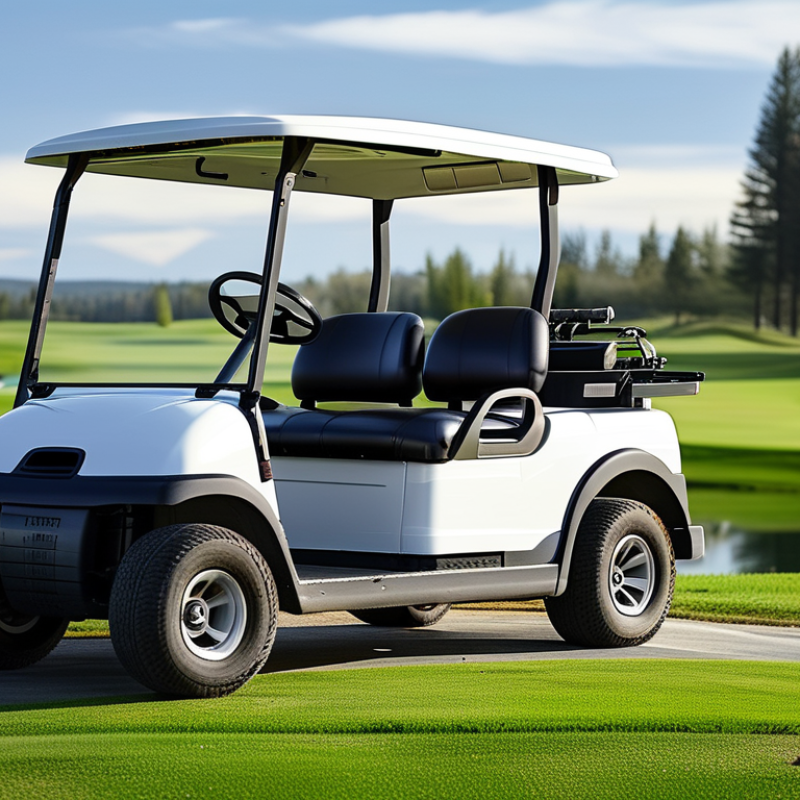
The hospitality industry has embraced golf carts in a surprising way. These vehicles are no longer limited to golf courses. Hotels and resorts use them for transporting guests. Golf carts offer a unique blend of convenience and style.
Recent statistics show a notable rise in golf cart usage. Many resorts feature scenic pathways perfect for these vehicles. Guests appreciate quick rides to restaurants and pools. This service enhances the overall guest experience. However, not all facilities are equipped for this trend. Some operators face challenges in maintenance and safety training.
Golf carts provide an eco-friendly transportation option. They help reduce carbon footprints in bustling resort areas. Yet, relying solely on them can create congestion. Facilities must balance cart usage with walking paths. This reflection leads to optimizing operations while addressing environmental concerns. Thus, the integration of golf carts in hospitality is both innovative and complex.
Golf carts are revolutionizing agricultural operations. Farmers now use these vehicles for daily tasks on sprawling fields. Their compact size allows them to navigate narrow paths easily. This flexibility can lead to more efficient crop management.
Using golf carts reduces labor costs. Instead of walking long distances, workers can travel quickly between sections. This transportation efficiency translates to more time spent on essential tasks. Additionally, the low maintenance requirements of golf carts result in cost savings. Operators can focus resources on more critical areas of the business.
However, not all farms see immediate benefits from golf carts. Some operations may need to assess whether the investment is justified. Additionally, terrain can limit their practicality in certain agricultural environments. Reflecting on these challenges can help farmers make more informed decisions about their equipment.
In many real estate developments, golf carts have become a vital tool for enhancing community access and mobility. These small vehicles provide an efficient way for residents to move around large properties. Communities designed with walkability in mind often face challenges when it comes to covering long distances. Golf carts can bridge that gap effectively.
Imagine a sprawling residential neighborhood where amenities like pools, parks, and clubhouses are located far apart. Walking might not be a realistic option for everyone. Golf carts empower residents to enjoy their surroundings without the fatigue of walking. This enhances social interaction and community engagement, as people can easily visit neighbors or attend events.
However, there are challenges that come with this trend. Some communities may struggle with parking or charge issues for these carts. It’s essential to plan designated routes and charging stations. Without clear guidelines, congestion may arise, leading to frustration among residents. Balancing convenience and safety is crucial. Investing in infrastructure and education can help communities reap the benefits of golf carts while addressing potential drawbacks.
Universities are increasingly using golf carts as a sustainable solution for campus transport. These vehicles provide an efficient way to navigate sprawling campuses. Whether for student transport or campus maintenance, golf carts help reduce carbon footprints. They are quiet and can easily maneuver in crowded areas.
Safety is a significant factor when using golf carts on campus. Drivers should always be aware of pedestrians and cyclists. It's essential to maintain a slow speed. This approach minimizes accidents and ensures everyone's safety. Regularly checking the vehicle's condition is also crucial.
Tips for using golf carts on campus:
By integrating golf carts into daily campus life, universities can promote a greener future. But, ongoing education about their use is necessary. This ensures that everyone on campus understands best practices for safety and efficiency.
Healthcare facilities are increasingly recognizing the value of golf carts. These vehicles help transport patients swiftly across sprawling campuses. Long corridors or large hospital grounds can be daunting for those with mobility challenges. Golf carts provide a practical solution for enhancing patient comfort and maintaining operational efficiency.
Staff can use golf carts to carry supplies, equipment, or even transport visitors. This reduces the strain on personnel who would otherwise walk long distances. However, the implementation of golf carts is not without challenges. Safety concerns often arise regarding their usage in busy hospital environments. Ensuring that both staff and patients are trained to utilize these vehicles responsibly is essential.
Moreover, the integration of golf carts necessitates proper planning. Facilities must consider the layout to avoid congestion. Maintaining the carts is also crucial. Regular inspections can prevent breakdowns and ensure smooth operations. While golf carts can significantly improve logistics in healthcare, reflection on these challenges is necessary to maximize their benefits.
This chart illustrates the various applications of golf carts in healthcare facilities, highlighting their significance in improving patient transport and daily operations.
: Golf carts are used to transport guests at hotels and resorts, enhancing convenience and style.
There has been a notable rise in golf cart usage, especially in resorts with scenic pathways.
Guests enjoy quick rides to amenities like restaurants and pools, improving their overall experience.
Some facilities struggle with maintenance issues and safety training for golf cart operators.
Golf carts reduce carbon footprints in heavily visited resort areas, promoting greener transportation options.
Facilities need to balance golf cart usage with walking paths to avoid congestion.
Golf carts improve efficiency, allowing workers to quickly travel between crops, reducing labor costs.
Golf carts have low maintenance needs, leading to significant cost savings and better resource focus.
Not all farms see immediate benefits; some may need to evaluate the investment and terrain suitability.
Farmers should consider their operational needs and whether the investment aligns with expected benefits.
Golf carts have transcended their traditional role on golf courses, finding applications across various industries. The hospitality sector has embraced golf carts for their efficiency in transporting guests within expansive resorts, enhancing the overall guest experience. Meanwhile, in agricultural operations, these vehicles contribute to cost-saving benefits by facilitating quick and easy movement across vast farmland.
Moreover, real estate developments are increasingly incorporating golf carts to promote community mobility and accessibility, while universities utilize them for sustainable campus transport solutions. Healthcare facilities also benefit from golf carts, improving patient transport and daily operational efficiency. In summary, these examples demonstrate the diverse range of what industries use golf carts besides golf courses, highlighting their adaptability in enhancing efficiency and mobility across different sectors.

Shiry Golf