As the world seeks sustainable transportation options, questions arise about the ecological impact of various vehicles. One such vehicle is the golf cart. Many people enjoy using golf carts in golf courses, neighborhoods, and parks for their convenience. However, a crucial question remains: are golf carts environmentally friendly?
While they are often seen as a greener alternative to cars, the reality may be more complex. Electric golf carts produce no tailpipe emissions, which can reduce air pollution. They often consume less energy compared to traditional vehicles. Yet, the environmental cost of manufacturing and disposing of batteries raises concerns.
Additionally, electric golf carts rely on electricity, which may come from non-renewable sources. As consumers, we must consider the entire lifecycle of these carts. Innovations are emerging, but they are not perfect. Therefore, determining if golf carts are truly eco-friendly requires ongoing evaluation and reflection.
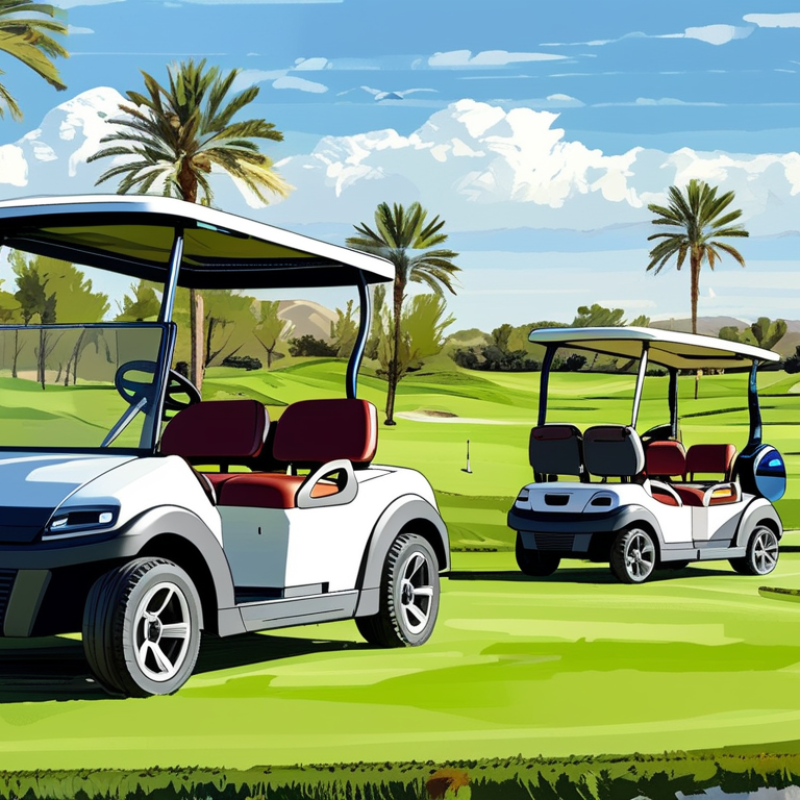
Overview of Golf Carts and Their Usage in Modern Society
Golf carts have become an integral part of modern society, particularly in golf courses, resorts, and gated communities. They offer a convenient way to navigate these spaces, often significantly reducing the need for larger vehicles. According to industry reports, the golf cart market is projected to reach $1.2 billion by 2027, indicating a growing reliance on these vehicles for transportation in leisure settings. Their popularity stems not only from practicality but also from their lower environmental impact compared to traditional cars.
However, the environmental friendliness of golf carts remains a subject of discussion. Electric models reduce carbon emissions significantly compared to gas-powered options. The Department of Energy states that electric carts emit 33% less CO2 than conventional vehicles. Yet, the production and disposal of batteries present challenges. Battery materials can be harmful, raising questions about sustainability. Furthermore, as golf cart usage expands, we must consider land use and the pressures it places on natural habitats. Balancing convenience and environmental responsibility is crucial as society integrates these vehicles into daily life.
Environmental Impact of Traditional Gas-Powered Golf Carts
Golf carts have long been a staple in many recreational settings. However, traditional gas-powered versions pose significant environmental challenges. These carts emit greenhouse gases, contributing to air pollution. The carbon footprint from their operation can be quite substantial. Many users may overlook these details when enjoying their leisurely rides.
In addition to emissions, gas-powered carts often rely on fossil fuels. This dependency not only depletes non-renewable resources but also ties users to volatile fuel prices. The maintenance of these carts contributes to further environmental degradation. Oil spills and improper disposal of batteries and fluids can lead to soil and water contamination. It's essential to consider these impacts when choosing a golf cart.
Some may argue that the convenience of gas-powered golf carts outweighs their drawbacks. Yet, as awareness of climate change grows, the need for sustainable alternatives becomes clearer. Electric golf carts are emerging as a viable substitute, offering a path toward reducing the negative effects caused by their gas counterparts. As environmental concerns become paramount, it's crucial to rethink our reliance on traditional models and explore greener options.
Environmental Impact of Traditional Gas-Powered Golf Carts vs. Electric Golf Carts
This chart illustrates the environmental impact of traditional gas-powered golf carts compared to electric golf carts across four key metrics: CO2 emissions, fuel cost, noise level, and maintenance cost. It highlights the significant advantages of using electric golf carts in terms of emissions, costs, and noise pollution, promoting the idea of environmentally friendly alternatives for future use.
Benefits of Electric Golf Carts for Sustainable Practices
Electric golf carts are gaining attention for their environmentally friendly attributes. Unlike traditional gas-powered carts, electric versions produce zero emissions. This quality helps reduce air pollution, particularly in golf courses that prioritize green practices. The quiet operation of electric carts also enhances the natural ambiance of these outdoor spaces, allowing wildlife to thrive.
Sustainability is crucial in today’s world. Electric golf carts can be charged using renewable energy sources. Solar panels on golf course facilities could power the carts, further lowering their carbon footprint. However, the initial manufacturing processes for electric carts often involve significant energy and resource use. It is essential to consider the entire lifecycle of these vehicles.
Adopting electric golf carts can lead to more sustainable operations in the long run. Their efficiency can lower operating costs, attracting golf courses focused on eco-friendly management. While electric carts are not the perfect solution, their benefits warrant serious consideration. Transitioning to this greener option requires thoughtful planning and an understanding of potential environmental impacts.
Comparative Analysis of Golf Carts vs. Other Transportation Methods
Golf carts have gained attention as a potential eco-friendly transportation method, especially in comparison to traditional vehicles. According to the Electric Drive Transportation Association, electric golf carts produce zero tailpipe emissions. This advantage contributes to improved air quality and reduced greenhouse gas effects in areas where they are used, like golf courses and residential communities.
However, the environmental benefits of golf carts can diminish depending on their power source. A report from the National Renewable Energy Laboratory shows that the majority of electric carts are charged using grid electricity, which may still rely on fossil fuels. In addition, the manufacturing process for batteries can result in significant environmental impact if not managed properly.
When we look at alternatives, bicycles offer a compelling case for sustainability. Studies indicate that bicycles require less energy and resources during their lifecycle compared to golf carts. Moreover, they promote physical health and reduce traffic congestion. The choice between these modes of transport depends on usage scenarios, making it essential to reflect on our unique needs and their broader environmental consequences.
Future Innovations in Golf Cart Design for Eco-Friendliness
Golf carts are evolving. As the demand for eco-friendly solutions grows, new designs aim to reduce their environmental impact. Future innovations in golf carts showcase electric models with enhanced battery life. These advancements aim to minimize reliance on fossil fuels.
Designers are embracing solar energy. Integrating solar panels can help recharge batteries during sunny days. This not only cuts energy costs but also supports sustainability. However, the effectiveness of this method can be limited. Location and weather conditions may affect energy capture.
Tips for eco-friendly golf cart usage include regular maintenance. Keeping tires well-inflated improves efficiency. Consider using parking spaces that reduce idle time. Encourage walking or cycling on smaller courses.
Innovations make golf carts greener, yet user habits play a significant role. Embracing these changes requires commitment.
FAQS
: Gas-powered golf carts emit greenhouse gases, contributing to air pollution and a substantial carbon footprint.
They rely on fossil fuels, which depletes non-renewable resources and creates volatility in fuel prices.
Oil spills and improper disposal of batteries can lead to soil and water contamination, harming ecosystems.
Yes, electric golf carts produce zero tailpipe emissions, improving air quality in communities where they are used.
Yes, if charged with fossil fuel-based grid electricity, their benefits can diminish significantly.
Bicycles require less energy and resources during their lifecycle, promoting health and reducing traffic congestion.
Enhanced battery life and solar panels for recharging are innovative solutions aimed at reducing environmental impact.
Keeping tires well-inflated and reducing idle time can enhance efficiency and promote eco-friendly usage.
User habits greatly influence the effectiveness of eco-friendly innovations; commitment is essential for real change.
Yes, solar panel effectiveness can be influenced by location and weather conditions, affecting energy capture.
Conclusion
The article "Are Golf Carts Environmentally Friendly for Future Use?" explores the role of golf carts in modern society, focusing on their environmental implications. Traditional gas-powered golf carts contribute significantly to air pollution and carbon emissions. In contrast, electric golf carts present a more sustainable alternative, offering reduced emissions and energy efficiency. The analysis further compares golf carts with other transportation methods, highlighting their potential benefits in urban planning and eco-friendly transport solutions.
As the demand for greener practices increases, innovations in golf cart design are emerging, aiming to enhance their eco-friendliness. The question, "are golf carts environmentally friendly," becomes crucial as we consider the future landscape of personal and recreational transportation. With ongoing advancements in technology, electric golf carts may indeed pave the way for a more sustainable approach in various settings, from golf courses to urban environments.

 Shiry Golf