Golf carts have become essential tools across various industries. They serve several purposes that cater to the unique needs of different sectors. According to John Smith, a leading expert in recreational vehicle operations, "what is a golf cart used for transcends the golf course; they are versatile vehicles in many settings."
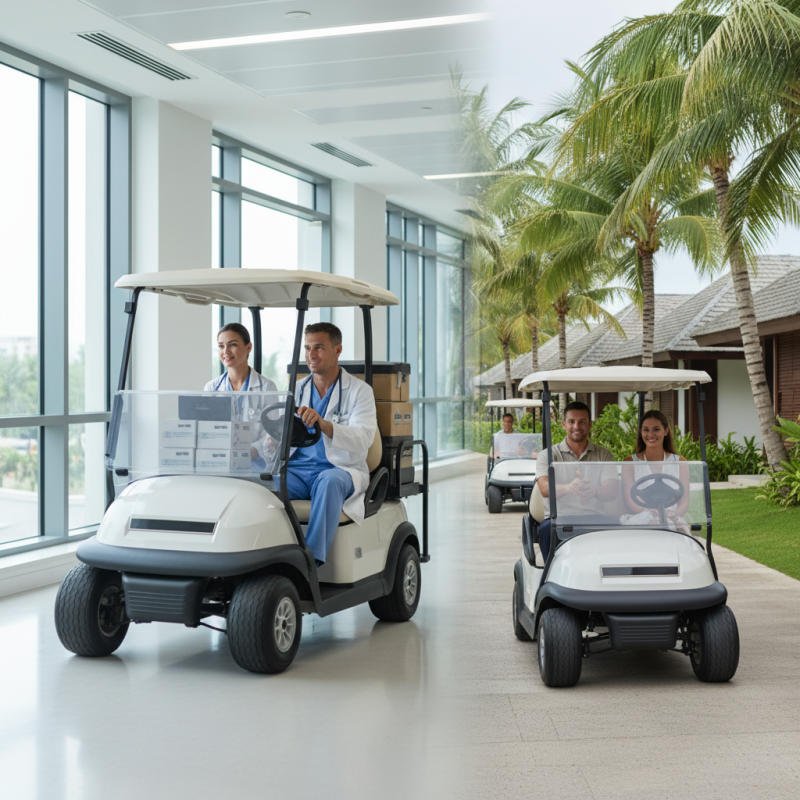
In hospitals and large facilities, golf carts transport staff and equipment efficiently. Their compact design allows them to navigate tight spaces easily. Additionally, golf carts are prevalent in resorts, where they help guests move seamlessly across vast properties. This practicality highlights their significance beyond recreational use.
However, despite their versatility, misunderstandings about golf carts persist. Some still view them solely as golf accessories. This narrow lens can overshadow their broader capabilities. It’s essential to reflect on how these vehicles can be better utilized in various settings. Understanding what a golf cart can do may open doors for innovation in business operations.
Golf carts play a vital role in the golf industry, significantly enhancing the overall game experience. These small, electric vehicles allow for convenient transportation across expansive golf courses. According to the National Golf Foundation, approximately 70% of golfers prefer using carts during their rounds. This preference not only speeds up play but also minimizes fatigue, allowing players to focus on their game.
The design and capabilities of golf carts have evolved over the years. Modern carts come equipped with GPS technology, improving navigation on courses and providing instant access to course information. A recent study by the Golf Industry Show revealed that courses implementing GPS in their carts saw an increase in customer satisfaction by 20%. This integration doesn’t just cater to player needs but also increases operational efficiency for course management.
Despite their benefits, some challenges remain. Not all golf courses have sufficient infrastructure to support the increased use of carts. Limited paths or lack of maintenance can lead to safety concerns. Additionally, over-reliance on carts may detract from the traditional walking experience that many golfers value. As the industry grows, these issues warrant careful consideration. Balancing convenience with the preservation of golf's rich heritage is crucial.
In the hospitality industry, golf carts play a crucial role in enhancing guest experiences. They provide efficient transportation across expansive resorts, hotels, and event venues. Guests enjoy the convenience of quick rides to dining areas, spas, or conference rooms. This service makes a significant difference for those with limited mobility.
However, relying heavily on golf carts can lead to some challenges. Staff must balance speed and passenger safety. Overcrowding carts can cause discomfort. Additionally, if poorly maintained, carts may malfunction, causing delays. Proper training for drivers is essential to ensure a smooth ride for guests. Reflecting on these aspects can help improve service quality and guest satisfaction.
Beyond transport, golf carts enable staff to manage tasks effectively. Housekeeping teams can swiftly navigate large properties. Maintenance crews can reach remote areas easily. Yet, it’s important to regularly assess the impact on the environment. Noise and emissions from electric or gas-powered carts can contribute to disturbances. Finding a balance between efficiency and sustainability remains a critical consideration for these businesses.
In industrial settings, golf carts have become essential tools for enhancing warehouse operations. Their compact size allows for easy navigation through tight spaces. According to a report by the Industrial Truck Association, using smaller vehicles can increase efficiency by up to 25%. This is crucial in busy warehouses where space is often at a premium.
Additionally, golf carts facilitate quick transport of goods and personnel. Whether moving inventory or delivering tools, they streamline daily tasks. A study by the Material Handling Industry of America found that utilizing electric carts reduces labor costs by around 20%. This highlights their role in improving resource management.
However, not all facilities have adopted these vehicles effectively. Some warehouses still rely on older methods, resulting in inefficiencies. It's important to evaluate how integrating modern tools like golf carts can lead to better workflows. Identifying areas where traditional practices persist can help in making informed decisions about upgrading operations. Embracing innovation could significantly enhance productivity in the long run.
In medical facilities, golf carts serve as a vital resource. They efficiently transport staff, equipment, and patients across extensive hospital grounds. These small vehicles navigate tight spaces easily, helping staff to respond quickly to emergencies. For instance, they can rush medical supplies from the pharmacy to different departments without delay.
Patient transport is another crucial function. Many hospitals have sprawling campuses where long distances complicate quick patient transfers. Golf carts provide a comfortable ride for patients, especially those with mobility impairments. Imagine a patient in a wheelchair being moved smoothly from one ward to another. The use of a golf cart removes much of the stress involved in these transitions. It allows staff to focus on care, rather than logistics.
However, relying heavily on golf carts can come with challenges. There might be safety concerns about navigating crowded hallways or outdoor paths. Staff might need additional training to ensure safe operation. Additionally, regular maintenance of these carts is necessary to avoid breakdowns. Over time, hospitals must evaluate if using golf carts truly meets their needs for patient transport. This reflection can improve operations, ensuring the best possible care.
In educational institutions, golf carts serve as efficient transportation solutions. Campuses often span large areas, making walking inconvenient for students and staff. Golf carts help alleviate this issue by providing quick and accessible mobility. They can transport individuals between classrooms, dorms, and administrative buildings. This reduces the time spent on traversing the campus.
Safety is a primary concern when using golf carts on campus. It’s important to establish clear pathways for these vehicles. Ensure that students are aware of their surroundings while walking. Educators should promote safe driving practices among those who operate the carts. Additionally, regular maintenance checks are vital to ensure the carts are in good working order.
Tips: Consider implementing designated golf cart lanes. This can help prevent accidents and enhance safety. Educate the campus community about the rules of using golf carts. It fosters a culture of safety and respect. Engaging students in discussions about improving golf cart use can yield valuable insights. Their feedback may help refine the system.
: They provide efficient transportation across resorts, helping guests reach dining areas, spas, or events quickly.
Overcrowding can cause discomfort, and poor maintenance may lead to malfunctions or delays in service.
They transport staff, equipment, and patients swiftly across large hospital grounds, improving response times.
They offer comfortable rides for patients with mobility issues, easing transitions between hospital wards.
Navigating crowded hallways poses risks; proper training for staff is essential for safe operation.
They provide quick mobility across large campuses, reducing time spent walking between classes and facilities.
Establish clear pathways, educate students about safety, and regularly maintain the carts to ensure reliability.
Engaging students in discussions about cart use can provide valuable insights for refining the transportation system.
Noise and emissions from carts may disturb the environment; balancing efficiency and sustainability is important.
Hospitals should assess if golf carts truly meet their patient transport needs to optimize operations and care quality.
Golf carts serve a diverse range of functions across multiple industries, illustrating their versatility beyond the golf course. In the golf industry, they enhance the playing experience by facilitating efficient transportation for players and their equipment. In hospitality, golf carts are vital for quickly transporting guests around expansive resorts, improving convenience and service.
Moreover, in industrial settings, they streamline warehouse operations, allowing for the swift movement of goods and personnel. Medical facilities also benefit from golf carts, utilizing them to improve patient transport, especially in large campuses where quick access is crucial. Lastly, educational institutions employ golf carts for campus mobility solutions, ensuring that students and staff can navigate extensive grounds easily. Overall, understanding "what is a golf cart used for" reveals its important roles across various sectors, contributing to enhanced efficiency and service delivery.

Shiry Golf