2026 Top Golf Cart Types Why Lithium Is Gaining Share?

Time:2026-09-25 Author:Liam
0%

Golf carts in 2026 serve far more than golf courses. They carry players, move supplies, and connect people across resorts, campuses, and residential communities. Buyers can choose familiar lead-acid models, lithium-powered carts, gas-powered vehicles, and utility-focused designs. Each type fits different routes, workloads, and maintenance routines.

Lithium models are drawing attention for practical reasons. They typically charge faster than comparable lead-acid carts, weigh less, and need less routine battery maintenance. For operators covering several rounds each day, those details can shape fleet availability. Small differences matter. Still, purchase price, charging access, climate, and replacement costs deserve close attention. A lighter cart is not automatically the right cart for every site.

This guide compares the leading golf cart types and explains why are lithium powered golf carts gaining market share. It looks at battery life, charging habits, range, comfort, and operating needs without treating advertised figures as universal results. Terrain, passenger load, driving style, and upkeep can change real-world performance. That part is easy to overlook. Specifications should be checked against the manufacturer’s documentation and the work a cart will actually do. There are trade-offs. Lithium batteries may cost more upfront, and their advantages depend on sensible charging and suitable use. The aim is a clear, grounded starting point—not a one-size-fits-all verdict.
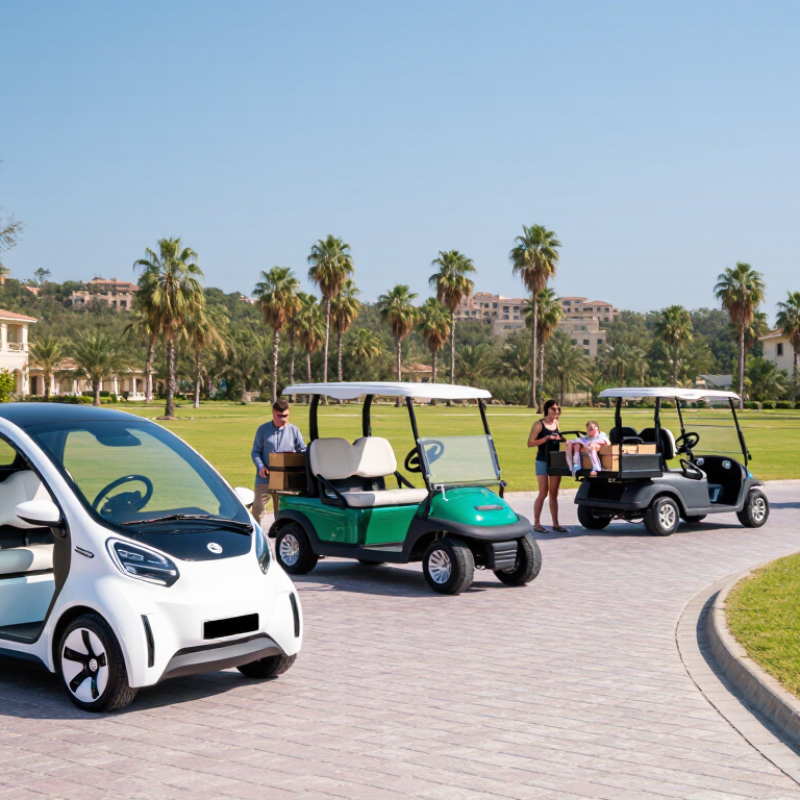
2026 Top Golf Cart Types Why Lithium Is Gaining Share?

Golf Cart Types Available in 2026

Golf Cart Types Available in 2026

In 2026, golf carts come in several forms, shaped by where and how people use them. Standard two- or four-seat carts suit golf courses and short trips on private roads. Their compact frames fit narrow paths, while simple controls make them easy to handle. Small details matter, like seat support on a bumpy ride.

Electric carts remain common, with lead-acid and lithium battery options. Lead-acid batteries often cost less upfront, but they are heavier and need regular care. Lithium batteries are lighter, charge efficiently, and can support more frequent daily use. That helps explain their growing appeal, though the best choice depends on budget, charging access, and expected mileage. No battery is perfect.

Gas-powered carts can suit longer work shifts or locations where charging is inconvenient. Utility models add cargo beds for tools, supplies, or groundskeeping equipment. Some carts use larger tires and increased ground clearance for uneven paths, but they are not automatically suitable for every rough surface. Check the terrain and load before choosing. A cart designed for a course may feel cramped when carrying equipment, so matching the type to the job matters more than choosing the newest option.

How Golf Cart Types Differ in Design and Use

Golf carts are not one-size-fits-all vehicles. A compact two-seat model usually has a short wheelbase and tight turning radius, making it easier to maneuver on paved paths and around storage sheds. Add a rear-facing seat, and it can carry more passengers, but the longer body needs extra room to turn. Small details matter.

Utility carts are built around cargo, not passenger comfort. A flatbed can carry tools, bags of soil, or maintenance equipment, while a enclosed cargo box helps keep supplies dry. Off-road versions often use larger tires and higher ground clearance for uneven paths. Those features can make paved rides bumpier, though, and increase the step height.

Battery choice changes how each type fits a workday. Lithium batteries weigh less than comparable lead-acid packs and can often recharge faster, which may suit carts used for frequent short trips. They also cost more upfront, and cold or very hot storage conditions still deserve attention. Compare usable capacity, charger compatibility, warranty terms, and expected daily distance. A lighter cart may feel nimbler, but passenger load and terrain still affect range. It is easy to focus on the battery and overlook the route.

Common Golf Cart Battery Technologies

Common Golf Cart Battery Technologies

Golf carts commonly use flooded lead-acid, sealed AGM, gel, and lithium-ion batteries. Each stores energy differently and brings practical trade-offs. Flooded lead-acid batteries are often chosen for their familiar design and lower purchase cost. They need regular water-level checks, careful charging, and ventilation. Spilled electrolyte and corrosion around terminals can become maintenance concerns.

AGM and gel batteries are sealed lead-acid options. They reduce routine upkeep, but still carry the weight and charging limits of lead-acid chemistry. Their performance can vary with temperature, age, and how deeply they are discharged. Small details matter. A cart left unused for weeks may need attention, even when its battery appears fine.

Lithium-ion batteries are gaining share because they are typically lighter and can deliver more usable energy across repeated trips. For a golf course, that can mean less cart weight on slopes and fewer interruptions for charging. Battery management systems help monitor voltage and temperature, but they do not remove the need for correct installation or a compatible charger. Lithium also usually costs more upfront. That trade-off is easy to underestimate. Real operating conditions, service access, and expected years of use should guide comparisons, not chemistry alone.

Why Lithium Batteries Are Gaining Market Share

Lithium batteries are gaining share in golf carts because drivers feel the difference in daily use. A lighter pack can make a cart easier to handle, while steadier voltage helps it maintain pace as charge falls. Many lithium systems also accept faster charging and require less routine maintenance than flooded lead-acid batteries. On a busy course, less time plugged in can mean more time carrying players and bags.

Cost trends help explain the shift, but the evidence needs context. BloombergNEF’s 2023 Battery Price Survey reported average lithium-ion pack prices of $139 per kilowatt-hour, 14% lower than in 2022. Those figures describe broad battery markets, not golf-cart packs, so they do not predict a cart’s purchase price or payback period. Total cost still depends on battery capacity, charger compatibility, operating hours, and replacement timing. There is a trade-off. Lithium systems rely on battery-management electronics, and charging conditions matter, especially in cold weather. Buyers should compare usable capacity and warranty terms, not just the advertised range. A longer service life is attractive, but real results vary with use and care.

How to Choose a Golf Cart and Battery Type

Choose the cart around the work it must do, not its seat count alone. A two-seat model suits short, smooth routes; a utility cart needs suitable payload capacity for tools or supplies. For steep paths, frequent stops, or several passengers, ask the seller for realistic range under those conditions. Published range can shrink with hills, heavy loads, cold weather, and aging batteries. Test the turning circle, braking, and ride over the surfaces you actually use. Small details matter.

Battery choice affects upkeep as much as purchase cost. Flooded lead-acid batteries usually cost less upfront, but require regular watering and careful charging. AGM batteries avoid watering; lithium iron phosphate batteries are lighter and generally charge faster, but may require a compatible charger and carry a higher initial price. BloombergNEF’s 2024 Battery Price Survey reported an average lithium-ion pack price of $115 per kilowatt-hour, 20% below 2023. That figure describes broad-market packs, not a golf-cart installation quote. So compare total ownership costs, not a single headline number. Check usable capacity, warranty terms, replacement access, and charger compatibility before choosing. A lithium upgrade is not automatically the better fit. The right answer depends on daily distance and charging access. Be honest about that.

FAQS

Which golf cart suits short trips on smooth paths?

A compact two-seat cart usually works well. Its smaller frame fits narrow paths and simple controls are easy to handle.

When should I choose a utility cart?

Choose one when you regularly carry tools, supplies, or groundskeeping equipment. Check its payload capacity; a roomy cargo bed still has limits.

Are electric carts better for daily use?

They can be convenient when charging is accessible. Lithium batteries are lighter and generally charge faster, but their higher upfront cost may not suit every budget.

What upkeep do lead-acid batteries need?

Flooded lead-acid batteries need regular watering and careful charging. They often cost less upfront, but they are heavier. No battery is perfect.

Are AGM batteries a low-maintenance option?

AGM batteries do not require watering. Compare their cost, usable capacity, and replacement access before deciding.

When might a gas-powered cart be useful?

It may suit longer work shifts or places where charging is inconvenient. Consider the route and daily workload, not just the fuel type.

How can hills and heavy loads affect range?

They can reduce the distance a cart travels between charges. Cold weather and aging batteries can reduce range too, so ask about realistic conditions.

What should I test before choosing a cart?

Try its turning circle, braking, and ride on the surfaces you actually use. A course cart may feel cramped with equipment aboard. Recheck your assumptions.

Conclusion

In 2026, golf carts come in several types, from compact two-seat models for short trips to larger passenger and utility carts designed to carry people or equipment. Their layouts, seating, cargo capacity, and intended uses differ, so the right choice depends on where and how often the cart will be driven. Battery options also shape the ownership experience: traditional lead-acid batteries are familiar and often have a lower upfront cost, while lithium batteries are lighter and can offer quicker charging, longer service life, and more consistent performance.

So, why are lithium powered golf carts gaining market share? For many buyers, their reduced weight, convenient charging, and potential long-term value make them an appealing alternative. Choosing a cart means weighing these benefits against purchase cost, maintenance needs, range, and daily workload. By matching the cart’s design and battery technology to personal priorities, buyers can find a practical option for recreation, transport, or utility use.

Liam

Liam

Liam is a dedicated marketing professional with a profound expertise in the industry, where he excels at highlighting the unique advantages of our core products. With a keen understanding of market trends and consumer needs, Liam frequently updates our company’s professional blog, providing......