Choosing a China-made golf cart involves more than comparing top speed or advertised range. Buyers should ask what factors affect golf cart performance in the conditions where the vehicle will actually operate. A cart carrying two passengers on smooth paths faces different demands from one hauling equipment over slopes, grass, or uneven pavement. Load, terrain, tire pressure, and driving habits all influence how it feels and how efficiently it uses energy. Small details matter.
The power system deserves close attention. Battery chemistry, capacity, age, and temperature can affect usable range, while the motor and controller determine how power reaches the wheels. A larger battery alone does not guarantee better performance if the components are poorly matched or maintenance is neglected. Check the stated payload, charging requirements, braking system, and parts support, then compare these details across models. Ask whether published range figures reflect a light load and flat ground; test conditions are not always clear. That matters.
A useful comparison considers the complete cart, not one headline specification. If possible, arrange a test drive with a representative passenger load and route, and note acceleration, hill climbing, braking, and ride comfort. Record the conditions, too. Results can vary with weather, surface, and battery condition, so a short test cannot answer everything. Reliable documentation and responsive service support are valuable signs, but they should be verified rather than assumed. A careful review helps match the cart to its daily work—and may reveal trade-offs that a brochure leaves out.
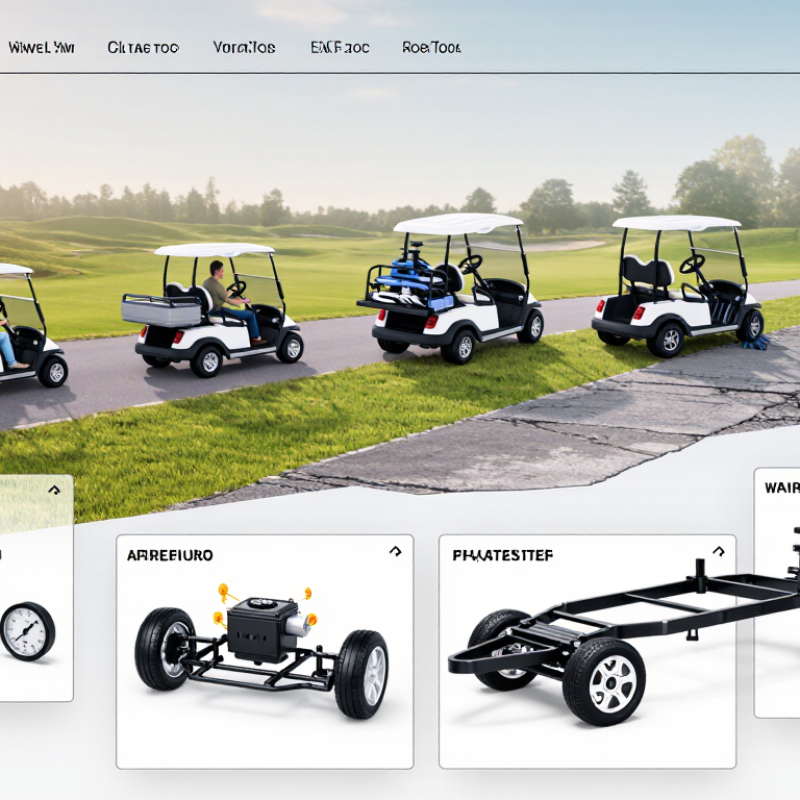
A golf cart’s performance depends on how its battery, motor, and controller work together. The battery provides energy, but its condition and usable capacity affect operating time and pulling power. The motor converts electrical energy into motion, while the controller manages power during starts, climbs, and changes in speed. Smooth response matters. A powerful motor alone cannot guarantee a capable cart if the other components are poorly matched.
Tires, suspension, and brakes also shape the driving experience. Underinflated tires can make steering feel heavy and reduce efficiency, while worn tread may offer less grip on damp paths. Suspension affects comfort over uneven ground, but a softer ride can feel less steady when the cart carries a full load. Brakes should respond predictably, especially on slopes. Small differences are noticeable.
Payload and maintenance complete the picture. Passengers, bags, and accessories add weight, so a cart that performs well with one driver may feel slower when fully loaded. During a practical check, note how it starts on a mild incline, turns over rough ground, and stops without pulling to one side. Battery connections, tire pressure, and brake wear are worth inspecting regularly. There is no perfect setup; the right balance depends on terrain and daily use, and those details are easy to underestimate.
| Core Component | What It Does | Performance Factors | What to Check |
|---|---|---|---|
| Battery pack | Supplies electrical energy to the motor and other electrical systems. | Battery chemistry, usable capacity, voltage, temperature, age, and state of charge affect driving range and power delivery. Lead-acid batteries generally need regular watering and charging care; lithium batteries typically require a compatible battery management system and charger. | Confirm that the pack voltage matches the cart’s electrical system. Check battery condition, charger compatibility, secure connections, and the manufacturer’s maintenance guidance. |
| Electric motor | Converts electrical energy into rotation to propel the cart. | Motor design, power rating, cooling, condition, and compatibility with the controller influence acceleration, hill-climbing ability, and sustained performance. | Look for unusual noise, overheating, damaged wiring, or reduced pulling power. Compare motor specifications with the controller and battery system. |
| Motor controller | Regulates electrical power delivered from the battery to the motor. | Current capacity, programming, temperature protection, and component compatibility can affect throttle response, acceleration, and power under load. | Check for fault indicators, secure connections, and signs of heat damage. Use settings approved for the installed motor and battery. |
| Drive system and gearing | Transfers motor output to the wheels through the drivetrain. | Gear ratio, axle condition, lubrication where applicable, and drivetrain alignment affect torque, cruising speed, and efficiency. | Inspect for leaks, excess noise, vibration, or unusual resistance. Follow the service schedule for the specific axle and drive configuration. |
| Tires and tire pressure | Provide traction and support the cart’s load. | Incorrect pressure, worn tread, mismatched tires, or unsuitable tire type can reduce handling, comfort, efficiency, and braking performance. | Set pressure to the vehicle or tire manufacturer’s recommendation. Check tread wear, visible damage, and that tire sizes are suitable for the cart. |
| Braking system | Slows and holds the cart safely. | Brake condition, adjustment, surface condition, and total vehicle load affect stopping and control, especially on slopes. | Check pedal operation, parking-brake holding ability, brake wear, and any pulling or unusual sounds. Have worn or faulty parts serviced promptly. |
| Suspension and steering | Help maintain wheel contact and provide directional control. | Damaged bushings, loose steering components, worn shock absorbers, and uneven loading can affect stability, ride comfort, and tire wear. | Inspect for looseness, leaks, uneven tire wear, or changes in handling. Keep steering and suspension components maintained. |
| Vehicle load and terrain | Set the demands placed on the powertrain, tires, and brakes. | Passengers, cargo, steep gradients, soft ground, and frequent starts can increase energy use and reduce range or climbing performance. | Stay within the cart’s rated capacity. Allow for shorter range and slower travel when carrying heavier loads or operating on challenging terrain. |
| Charging system | Restores energy to the battery pack between uses. | Charger compatibility, charging completion, connection quality, and battery temperature affect charge reliability and long-term battery condition. | Use a charger designed for the battery chemistry and system voltage. Follow the battery maker’s charging and storage instructions. |
The battery, motor, and controller work together. The battery supplies energy, while the controller manages power during starts and climbs. A strong motor alone is not enough.
Check voltage and amp-hour ratings against your route. Four passengers climbing a hill use more energy than one driver on flat ground. Advertised range can be optimistic.
No. It may extend operating time, but added weight can affect handling and efficiency. More is not always better.
Look beyond peak output. Ask about continuous power, controller settings, and heat during repeated climbs. Numbers can look impressive; the route matters more.
Pressure and tread influence steering, efficiency, and grip. Underinflated tires may feel sluggish, while worn tread can struggle on damp paths. Check pressure carefully.
Repeated bouncing or rattling may point to worn parts. Loose cargo can cause similar sounds, so inspect before assuming. Easy to miss.
Test them at low speed on level ground. Notice pulling, noise, or a soft pedal, then arrange maintenance with a qualified technician if something feels wrong. Don’t ignore changes.
Try a mild incline, a rough turn, and a controlled stop with its usual load. A cart may feel slower with passengers and bags. That surprised me, though it probably shouldn’t.
Understanding what factors affect golf cart performance helps buyers and owners make informed choices. In Chinese golf carts, battery capacity and motor power influence acceleration, hill-climbing ability, and driving range. The cart’s total weight, passenger load, and the terrain it travels over also affect speed and how far it can go before recharging. A heavier load or rough, steep ground generally requires more energy.
Performance depends on more than the powertrain. Tire design and pressure, suspension condition, and reliable brakes all contribute to handling, comfort, and safe stopping. Climate can affect battery efficiency, while regular maintenance helps keep key components working as intended over time. By considering these factors together, owners can better match a golf cart to its intended use and maintain dependable performance.

 Shiry Golf