Choosing a golf cart in 2026 requires more than comparing colors, prices, and maximum speed. The better question is how to choose the right golf cart for your needs, environment, and daily routine. A vehicle for a flat private community differs greatly from one carrying tools across steep, uneven property. That distinction matters.
Industry forecasts show continued expansion in the global golf cart market, although estimates vary by research company. MarketsandMarkets projects strong growth through 2028, driven by resorts, gated communities, airports, and low-speed transportation. Grand View Research also identifies battery improvements and electric mobility as important market drivers. These reports describe direction, not personal suitability. Numbers can look impressive. Your driveway still decides.
Start with the real task. Count passengers, equipment, hills, travel distance, and charging opportunities. A four-passenger model may seem practical, but its longer frame can reduce turning space in a narrow garage. Lithium batteries usually offer lower weight and faster charging, while lead-acid systems can reduce the initial purchase price. The cheaper choice may require more maintenance over time. That is easy to overlook.
Safety and local operating rules deserve equal attention. The U.S. Consumer Product Safety Commission has repeatedly highlighted risks involving low-speed vehicles, passengers, and rollovers. Look for dependable brakes, seat belts, lights, mirrors, and a stable suspension. Ask about warranty coverage, battery replacement, service access, and parts availability before signing anything. Manufacturer specifications are useful, but real-world owner experience can expose uncomfortable gaps. Test the cart on the surfaces you actually use. Then reconsider your assumptions.
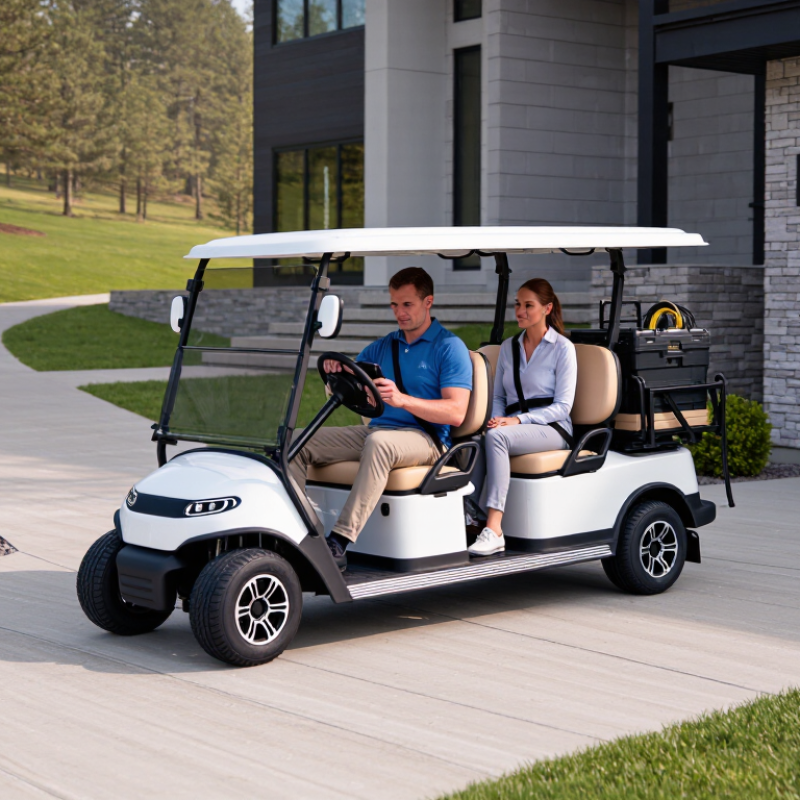
Before choosing a golf cart, define what it must do each week. A cart for short neighborhood trips differs from one used on a large property. List your typical passengers, cargo, distance, terrain, and storage space. Two seats may suit a quiet residential route. Four or six seats work better for family transport, but they add weight and turning space.
Your environment matters just as much. Measure narrow gates and check the steepest slope you regularly face. Grass, gravel, wet paths, and paved roads demand different tires and suspension settings. If you often carry tools or groceries, inspect the load area carefully. A small basket may look practical, yet become frustrating after several trips. Weather exposure also affects comfort, battery performance, and maintenance needs.
I once underestimated how quickly a cart’s range could drop on hills and soft ground. My original estimate was too optimistic. That experience taught me to calculate using the hardest normal route, not the easiest one. Ask a qualified dealer or technician to verify capacity, braking performance, charging requirements, and safety features. Check local access rules before using the cart beyond private property. Do not choose extra power simply because it sounds impressive. Match the vehicle to real habits, then leave a modest margin for passengers, cargo, and changing conditions. Be honest about your routine. You may use the cart differently after one month.
| Primary Purpose | Recommended Cart Type | Best Usage Environment | Typical Passenger Capacity | Typical Cargo Capacity | Typical Driving Range | Typical Top Speed | Terrain and Grade Suitability | Key Features to Prioritize | Main Trade-Off |
|---|---|---|---|---|---|---|---|---|---|
| Golf-course transportation | Standard two-seat golf cart with rear bag rack | Golf courses, private clubs, and maintained resort paths | 2 adults | Golf bags and light personal equipment | Approximately 25–45 miles per charge or tank, depending on power system, terrain, load, and battery condition | Typically 12–15 mph; local regulations may impose lower limits | Best on paved or well-maintained turf paths with moderate slopes | Quiet operation, reliable braking, smooth suspension, weather cover, efficient charging | Limited passenger and cargo capacity compared with utility or four-seat models |
| Neighborhood transportation | Four-seat low-speed vehicle or extended golf cart | Private communities, campuses, resorts, and other approved low-speed areas | 4 adults | Light groceries, bags, or personal items | Approximately 25–50 miles per charge under typical light-load use | Typically 15–25 mph, subject to vehicle classification and local law | Suitable for paved roads, residential lanes, and gentle hills | Seat belts, headlights, brake lights, turn signals, mirrors, windshield, and adequate suspension | Longer wheelbase can reduce maneuverability in narrow areas |
| Family and resort use | Four- or six-seat extended cart | Resorts, large private properties, event venues, and planned communities | 4–6 adults | Small bags and light recreational equipment | Approximately 20–45 miles per charge, depending on passenger load and terrain | Typically 12–20 mph | Best on paved surfaces and compact, well-graded paths | Stable seating, grab handles, step-in access, canopy, lighting, and dependable brakes | Higher passenger capacity increases weight, turning radius, and energy use |
| Property maintenance and hauling | Utility cart with rear cargo bed | Farms, large estates, warehouses, campuses, and maintenance facilities | 2–4 adults, depending on configuration | Commonly about 500–1,200 lb, depending on vehicle design and load rating | Approximately 20–40 miles per charge under moderate utility use | Typically 12–20 mph | Suitable for gravel, compact soil, grass, and moderate inclines when properly equipped | Payload rating, low-speed control, durable bed, towing capability, ground clearance, and parking brake | Utility-focused models may provide less passenger comfort and lower road speed |
| Uneven trails and outdoor recreation | Lifted or off-road-oriented utility cart | Private trails, campgrounds, wooded properties, and uneven outdoor terrain | 2–4 adults | Light to moderate recreational gear | Approximately 15–35 miles per charge, depending heavily on terrain, tires, and driving style | Typically 12–20 mph | Better suited to uneven ground, loose surfaces, and moderate slopes; not automatically suitable for public roads | Higher ground clearance, all-terrain tires, robust suspension, differential protection, and effective hill braking | Raised suspension can reduce efficiency, increase body roll, and affect ease of entry |
| Road-legal low-speed travel | Street-ready low-speed vehicle | Roads with legally permitted low-speed vehicles, usually in designated communities or limited-speed zones | 2–6 adults, depending on configuration | Light personal cargo | Approximately 30–60 miles per charge, depending on battery capacity, speed, weather, and passenger load | Often 20–25 mph for low-speed vehicle classifications; requirements vary by jurisdiction | Suitable for paved roads within the vehicle’s legal operating area | Seat belts, mirrors, windshield, lighting, reflectors, turn signals, horn, parking brake, and required safety equipment | Registration, insurance, equipment, and operating restrictions may apply; off-road capability is usually limited |
| Quiet indoor or enclosed-facility transport | Compact electric cart | Warehouses, convention centers, airports, hospitals, campuses, and indoor service areas | 1–2 adults | Small tools, parcels, or service equipment | Approximately 15–35 miles per charge, depending on stop-and-go operation and load | Typically 8–15 mph | Best on smooth concrete, asphalt, and other maintained surfaces | Compact dimensions, low turning radius, quiet motor, protective bumpers, and good visibility | Small tires and limited clearance are unsuitable for rough outdoor terrain |
| Hot, wet, or coastal environments | Weather-protected electric or fuel-powered cart with corrosion-resistant components | Coastal properties, rainy regions, and locations with frequent temperature changes | 2–6 adults, depending on body style | Light to moderate cargo | Approximately 20–50 miles per charge for electric models; actual results vary with weather and accessory use | Typically 12–20 mph | Choose tire and suspension specifications according to the surface; avoid flooding and deep standing water | Sealed electrical connections, covered charging area, corrosion-resistant hardware, windshield, roof, and reliable wipers | Weather protection and corrosion-resistant components can increase purchase and maintenance costs |
Electric carts work well for quiet areas, resorts, and short local travel. They run quietly and produce no tailpipe emissions. Check battery age, charger condition, and real driving range before buying.
Gas systems suit long routes, heavy loads, and places without dependable charging access. They refuel quickly and maintain performance during extended work. Expect oil changes, fuel storage, engine inspections, noise, and exhaust.
Usually, no. Roof-mounted panels generally extend range rather than replace charging. Shade, clouds, panel size, and parking habits affect output. Ask for measured energy data before trusting solar assistance.
A two-seat cart fits narrow paths and short trips. A four-seat model offers more flexibility for families, guests, and property work. Extra seats increase length, turning space, and charging demands.
Measure the doorway, storage shed, and turning area. Confirm the cart can enter and exit comfortably. A showroom can hide practical problems.
Sit in every seat with passengers present. Check legroom, entry height, handholds, and seat firmness. Forward-facing seats may feel more secure during regular road use.
Look for under-seat space, a lockable compartment, and a basket for two bags. Bring your largest bag, cooler, and rain gear during inspection. Empty storage can mislead.
Check brakes, lights, mirrors, seat belts, steering stability, ground clearance, and load limits. Test acceleration and braking on familiar terrain. A lower speed may feel easier to control.
Test the cart on slopes, wet grass, or steep driveways when possible. Listen for rattles and carry a small tool case. Check tire pressure, battery connections, charging needs, and service records.
Do not focus only on range or attractive specifications. Comfort, terrain, storage, and maintenance skills matter too. I once overlooked seat comfort. That was poor judgment.
Choosing the right golf cart for your needs begins with understanding how and where you plan to use it. Consider whether it will serve short neighborhood trips, private property transportation, recreational use, or work-related tasks. Then compare electric, gas, and solar-assisted power systems based on range, charging or refueling convenience, noise, environmental preferences, and expected operating conditions. Seating capacity, overall size, cargo space, and storage features should also match the number of passengers and equipment you regularly carry.
A complete decision should include performance, braking, lighting, stability, comfort, and maintenance requirements. Think about terrain, weather, service access, battery or fuel costs, and long-term upkeep before making a choice. Establish a realistic budget that includes accessories and ownership expenses, then review local usage rules, registration or insurance requirements where applicable, warranty coverage, and available support. By evaluating these factors together, you can confidently determine how to choose the right golf cart for your needs and select a practical vehicle that fits your lifestyle and expectations.

 Shiry Golf