China Best Golf Carts How Much Does It Cost to Operate?

Time:2026-11-22 Author:Sophia
0%

Choosing among China’s best golf carts means looking beyond the purchase price. Daily operating costs can vary with the model, battery type, terrain, passenger load, and hours of use. A cart carrying two golfers across flat paths will not use resources in the same way as a utility cart climbing hills with equipment. Small details matter.

So, how much does it cost to operate a golf cart? There is no single figure that fits every owner. The useful answer comes from tracking energy or fuel, routine maintenance, tires, battery care, and any storage or insurance expenses that apply. For an electric cart, note how often it is charged and check the electricity rate on your bill. For a gas model, record fuel use over several weeks. Real records beat a rough guess.

This guide explains the main cost categories and shows what to check before comparing carts. Ask suppliers for battery specifications, expected service needs, warranty terms, and details about replacement parts. Those answers can make a bigger difference than a low advertised price. Keep the numbers close to your actual driving habits. A quiet course, a large resort, and a private property each create different demands. Estimates can still miss something; even careful owners may overlook a worn tire or an aging battery. That is worth admitting. With a simple log and realistic assumptions, buyers can compare options more fairly and plan for costs beyond the showroom.
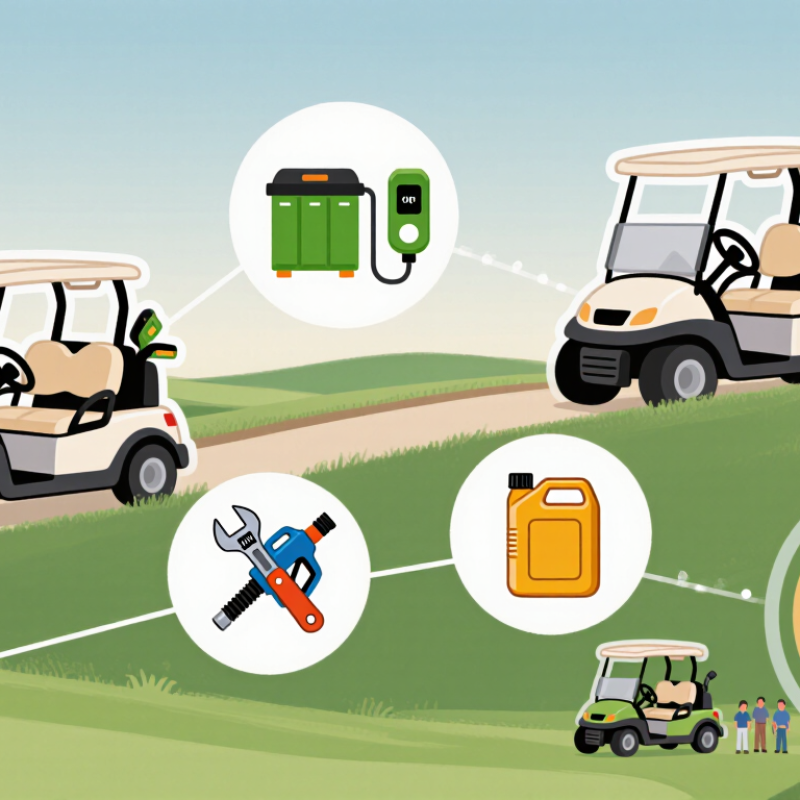
China Best Golf Carts How Much Does It Cost to Operate?

What Defines an Operating Cost for a Golf Cart?

For a golf cart, an operating cost is an expense tied to using and maintaining it over time. It is different from the purchase price. Think of the energy used on a daily route, plus the parts and service needed to keep the cart moving. Small expenses add up.

Electric carts use electricity, while fuel-powered carts consume fuel. To estimate energy cost, record how much electricity charging uses and multiply it by your local rate. Charging losses can make the wall-meter reading higher than the battery’s stated capacity. For fuel, track gallons used and the price paid. Keep the records for several weeks; one busy day may not reflect typical use.

Maintenance also counts. Include tire wear, brake checks, routine service, and repairs. Battery replacement can be a major cost, but how it is counted depends on the estimate: some owners include the full replacement when it occurs, while others spread it across the battery’s expected service life. Insurance, storage, and operator time may matter for a fleet, though they are not always included in a narrow per-cart estimate. The boundary should be clear. A tidy spreadsheet can still miss downtime or an unexpected repair. Track routes, charging, fuel, and service receipts to build a more dependable figure.

Which Factors Influence the Cost of Chinese Golf Carts?

A Chinese golf cart’s operating cost depends on more than its purchase price. Battery chemistry, pack size, charging habits, terrain, passenger load, and local electricity rates all matter. Small loads matter. A cart carrying four adults up steep paths uses energy differently from one moving slowly across flat ground. Frequent short trips can also increase charging losses and wear.

Battery replacement is often the largest long-term variable. BloombergNEF reported that average lithium-ion battery-pack prices reached US$115 per kilowatt-hour in 2024, down 20% from 2023. That figure covers electric-vehicle packs, not golf-cart batteries, so treat it as market context rather than a cart-specific quote. Lead-acid packs may cost less upfront but can need earlier replacement, depending on use and care. Electricity costs vary too: the U.S. Energy Information Administration reported an average commercial rate of 12.41 cents per kilowatt-hour in 2023. Local Chinese tariffs may differ substantially. Terrain changes everything. Tires, brakes, suspension, and parts availability also affect maintenance bills, especially where service support is limited. A tidy spreadsheet still misses one awkward factor: actual driving habits. Check local power rates, battery warranty terms, replacement-part lead times, and expected daily distance before comparing operating costs.

How Much Does It Cost to Operate a Chinese Golf Cart?

These illustrative planning estimates show annual costs per electric golf cart in USD, not a quote or brand-specific data. Actual expenses depend on distance driven, local electricity and insurance rates, battery chemistry and lifespan, terrain, and maintenance needs. Battery cost is shown as an annual replacement reserve.

How Do Electricity and Fuel Costs Compare?

Electricity and gasoline costs depend on route length, load, terrain, and local prices. For a U.S. reference point, the Energy Information Administration reported an average residential electricity price of 16.48 cents per kilowatt-hour in 2024. A 48-volt, 100-amp-hour battery stores about 4.8 kilowatt-hours. Allowing for charging losses, a full recharge might draw roughly 5.3 kilowatt-hours, or cost about 87 cents at that rate. Actual bills vary.

Gasoline adds up differently. EIA data put the 2024 U.S. average regular gasoline price at about $3.30 per gallon. A cart using half a gallon during a day’s rounds would therefore use about $1.65 in fuel. That example is illustrative, not a universal consumption figure; measure the cart’s actual fuel use for a fair comparison. Electricity often costs less per outing, but charging time, battery replacement, and electricity tariffs matter. Fuel carts can be refilled quickly, though engine maintenance adds expense. Real life is messier. For a China-built cart, compare local electricity and fuel prices, then track energy use over several typical days.

What Maintenance and Replacement Expenses Should Owners Expect?

Routine upkeep is usually modest, but neglect can make it expensive. Check tire pressure monthly; underinflated tires wear unevenly and reduce range. Inspect brakes, steering, lights, and suspension at least once a year, or sooner if the cart rattles or pulls to one side. A basic service may cost roughly $100–$300, depending on labor and parts. Local rates vary. Keep receipts; memory is unreliable.

Battery replacement is often the largest expense for electric carts. Lead-acid packs commonly need replacing after about four to six years, while lithium packs may last longer with proper care. A full replacement can range from several hundred dollars to a few thousand, depending on battery type, capacity, and installation. Clean lead-acid terminals carefully, check water levels as directed, and recharge after use. Small habits matter.

Gas-powered carts need oil, filters, belts, and occasional fuel-system repairs. Tires, brake components, and chargers wear out on either type. Set aside a yearly repair reserve rather than assuming every season will be trouble-free. That estimate can still be wrong: rough paths, heavy loads, long storage, and missed checks change costs quickly. A slow charger or faint brake squeal is easy to ignore—and often shouldn’t be.

How Can Buyers Estimate Long-Term Operating Costs?

Estimate operating costs from measured use, not brochure claims. Record electricity, routine service, tires, battery replacement, and downtime separately. The U.S. Energy Information Administration reported an average residential electricity price of 16.0 cents per kWh in 2023. Treat this as a benchmark only; local tariffs may differ. For example, if a cart draws 2 kWh at the wall per charge and completes 250 charges yearly, energy costs about $80 at that rate. Small costs accumulate.

Battery replacement can outweigh charging costs. Ask suppliers for written battery and charger prices, then divide replacement cost by the expected service years. Battery life depends on chemistry, storage temperature, charging habits, and workload. A cart carrying passengers up steep paths may use more energy than one on flat grounds. Track actual meter readings for several weeks. The first estimate may be rough, and that is worth revisiting after a season.

Tips

Use your local electricity rate and plug-in meter readings. Keep a simple log of charge cycles, tire changes, and service visits. Compare carts over the same planned years and workload, not just purchase price. Include a contingency for unplanned repairs.

FAQS

What counts as a golf cart operating cost?

It includes energy, routine maintenance, repairs, and replacement parts. The purchase price is separate.

How can I estimate charging costs?

Record electricity use at the wall meter, then multiply it by your local rate. Charging losses can increase the reading.

How should I track fuel expenses?

Record gallons used and the price paid over several weeks. One busy day may not show typical use.

Which routine maintenance costs should owners expect?

Budget for tires, brake checks, steering, lights, suspension, and service. A basic service may cost about $100–$300.

How often should I inspect a cart?

Check tire pressure monthly. Inspect brakes and steering yearly, or sooner if the cart rattles or pulls sideways.

How long do cart batteries usually last?

Lead-acid packs often last about four to six years. Lithium packs may last longer with proper care. It varies.

What other expenses may affect the total?

Battery replacement can cost hundreds or thousands of dollars. Insurance, storage, and operator time may matter for fleets.

How can I make my cost estimate more reliable?

Keep route, charging, fuel, and service records. Set aside a yearly repair reserve, but expect surprises. A spreadsheet can still miss downtime.

Conclusion

Operating cost covers more than the purchase price of a golf cart. It includes the energy needed to run it, routine servicing, repairs, and replacement parts over time. For Chinese golf carts, total expenses can vary with the cart’s power source, battery capacity, build quality, usage frequency, terrain, and local energy and service prices. Understanding these factors helps buyers answer the question, “how much does it cost to operate a golf cart,” for their own needs rather than relying on a single general estimate.

Electric carts typically have lower day-to-day energy costs, while fuel-powered carts require ongoing fuel purchases and engine maintenance. Electric owners should also plan for battery replacement, which can be a significant long-term expense. Tires, brakes, and other wear parts may need attention with either type. To estimate costs, compare expected annual use, energy consumption, scheduled maintenance, likely repairs, and replacement intervals across several years.

Sophia

Sophia

Sophia is a dedicated marketing professional with an exceptional depth of knowledge about her company's products and services. With a keen understanding of market trends and customer needs, she crafts insightful blog posts that not only inform but also engage readers, enriching the company’s online......