The golf cart industry is experiencing a technological revolution. As we delve into 2026, understanding "what are the latest trends in golf cart technology" becomes crucial for enthusiasts and businesses alike. According to the National Golf Cart Association, the market is expected to reach $2 billion by 2026, driven by innovations in electric models and smart technology.
Industry expert Michael Greene highlights, “The integration of advanced features is transforming golf carts into efficient utility vehicles.” These features include enhanced battery life, GPS tracking, and eco-friendly designs. The demand for personalization is also growing, as consumers seek more than just transportation on the greens.
However, the rapid pace of change raises questions. Are all these advancements necessary for every user? Some traditionalists may prefer simpler models. This tension reveals the ongoing debate in the golf cart community between innovation and nostalgia.
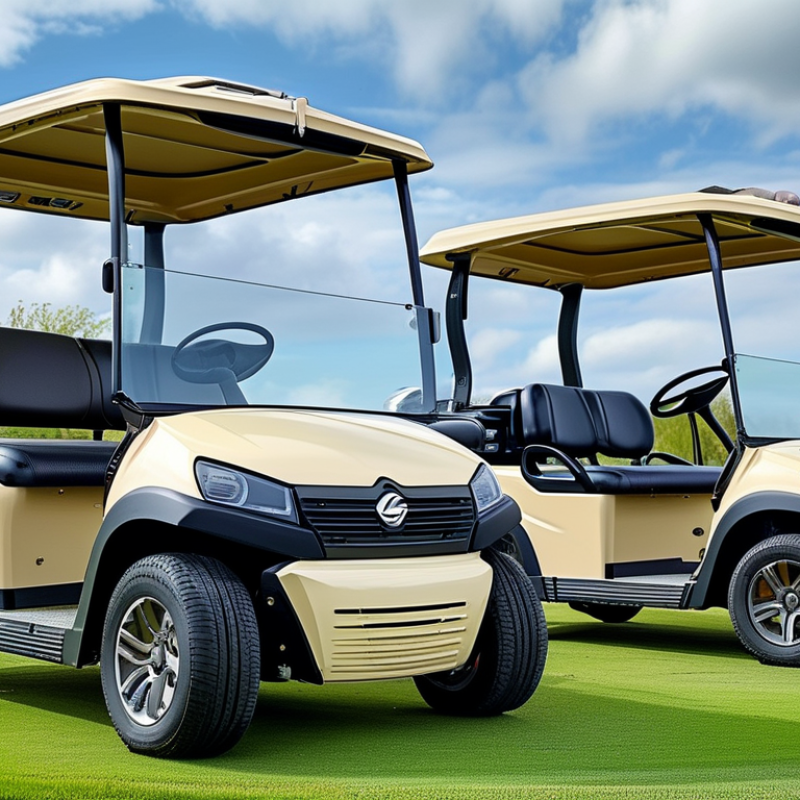
The golf cart industry is poised for significant changes in 2026, particularly with advancements in electric golf carts. Battery technology is at the forefront of these innovations, drastically improving performance and efficiency. A recent report indicates that the global market for electric golf carts is projected to grow by nearly 25% annually through 2026. This sparks excitement among manufacturers and users alike.
Lithium-ion batteries are becoming the standard due to their lightweight nature and higher energy density. They allow for longer rides and quicker charging times. Users can expect charging stations to become as common as traditional gas stations on the course. Data shows that lithium-ion batteries can improve driving ranges by up to 40%. However, the initial cost and environmental concerns about battery disposal need addressing.
The shift towards electric golf carts also reflects trends in sustainability. Many consumers are seeking greener alternatives in all areas of life. Yet, not all innovations are flawless. Transitioning to electric can sometimes lead to issues, such as the availability of charging infrastructure in rural areas. This is a pivotal moment for the industry to consider both technological advancement and user needs.
The integration of smart technology in golf carts is transforming the landscape of the sport. GPS and telematics are key components driving this change. According to a report by MarketsandMarkets, the golf cart market is projected to reach $2.95 billion by 2025, with technology playing a significant role. Smart GPS systems now offer real-time location tracking, enhancing navigation on vast golf courses. Telematics systems can monitor vehicle performance and optimize maintenance schedules, improving safety and reducing costs.
Using GPS technology can help players enhance their game. Accurate distance measurements can lead to better shot selection. It can also assist golfers in familiarizing themselves with course layouts. Telematics allows for monitoring battery usage, ensuring carts are always charged and ready. This data-driven approach promotes efficient fleet management, which is essential for golf course operators.
However, the reliance on technology poses challenges. Malfunctions in GPS devices can lead to frustration. Miscommunication between users and the technology can result in errors, affecting the overall experience. Regular updates and thorough training can mitigate these issues. Golf carts equipped with smart technology are becoming essential for modern golf experiences, introducing efficiencies while still requiring attention to detail.
| Feature | Description | Benefits | Adoption Rate (%) |
|---|---|---|---|
| GPS Navigation | Real-time location tracking and route guidance | Improves course management and user experience | 65% |
| Telematics | Data collection on vehicle performance and usage | Enhances maintenance schedules and operational efficiencies | 50% |
| Smart Charging | Automatic charging options integrated with solar energy | Eco-friendly and cost-effective charging solutions | 40% |
| Remote Control Features | Control cart functions via smartphone apps | Increased convenience and security | 55% |
| Collision Avoidance Systems | Sensor technology to prevent accidents | Enhances safety for users | 30% |
As the golf industry evolves, sustainability takes center stage. Eco-friendly materials are becoming essential in golf cart manufacturing. Manufacturers are exploring biodegradable plastics and recycled metals. These materials reduce waste and lower the carbon footprint. Innovations in battery technology also support this shift. Lithium-ion batteries are increasingly common, offering longevity and reduced environmental impact.
Green technologies transform how golf carts operate. Solar panels integrated into carts help harness renewable energy. This technology powers various features without relying solely on external charging. The use of energy-efficient motors is also rising. These advancements increase the performance while minimizing energy consumption.
While progress is evident, challenges remain. Not all manufacturers prioritize sustainability yet. Some still rely on traditional manufacturing processes. The industry must keep pushing for greener practices. A genuine commitment to eco-friendly principles is vital for long-term success. As golf carts become more sustainable, the future looks promising. Sustainable choices pave the way for a healthier environment.
Safety is a top priority in golf cart technology.
Enhanced safety features, such as advanced sensors, are revolutionizing the way we think about cart operation. These sensors can detect obstacles and alert drivers in real-time. They can even stop the cart if a potential accident is imminent. Such innovations drastically reduce the risk of collisions, making golfing safer for everyone.
Driver assistance systems are becoming more sophisticated. They offer features like lane-keeping assistance and adaptive speed control. These technologies help prevent accidents, especially on busy golf courses. However, reliance on these systems raises questions. Can we trust technology to handle every situation? Drivers need to remain vigilant, even with advanced features.
As these technologies evolve, training may be necessary. Users must understand how to interact with these systems effectively. There's room for improvement in user interfaces, ensuring they are intuitive. It’s essential for all golfers to stay informed about these changes, enhancing their overall safety and enjoyment on the course.
In 2026, customization and aesthetics will define the future of golf cart design. Recent reports show that 72% of golf enthusiasts prioritize personalized features in their carts. This growing trend emphasizes individuality, as golfers seek unique designs that reflect their style. Custom paint jobs, unique upholstery, and personalized accessories are increasingly popular. These enhancements not only make carts visually appealing but can improve overall user experience.
However, customization comes with challenges. Some manufacturers struggle to balance personalization with cost-effective production. A study revealed that 58% of customers desire eco-friendly materials in their customized carts. Yet, sourcing sustainable options can complicate the design process and increase lead times. This often leads to a frustrating experience for customers awaiting their dream golf cart.
Moreover, the integration of advanced technology into golf cart design is on the rise. Features like mobile connectivity and GPS navigation are increasingly standard. Yet, industry reports indicate that almost 40% of users find these tech features confusing. Designers must ensure that aesthetics do not complicate functionality. The perfect blend of form and function remains elusive, prompting continuous innovation and reflection in golf cart technology.
This chart illustrates the anticipated popularity index of various golf cart trends in 2026. The data highlights a strong interest in customization options and electric power, while autonomous features are still gaining traction among consumers.
: GPS provides real-time location tracking. It helps with accurate distance measurements for better shot choices.
Telematics monitors performance and battery usage. This ensures carts are ready and can reduce maintenance costs.
Manufacturers are exploring biodegradable plastics and recycled metals. These materials help cut waste and carbon emissions.
Solar panels harness renewable energy. They power various features without needing constant external charging.
Reports indicate that 72% of golfers want personalized features. Unique designs reflect their individuality and style.
Balancing personalization with production costs is tough. Sourcing sustainable materials can complicate the design process and lead to delays.
Yes, about 40% of users find tech features confusing. Designers need to make sure aesthetics don’t compromise functionality.
Not all manufacturers emphasize eco-friendly practices. Some continue using traditional methods, which hinders industry progress.
The market is projected to reach $2.95 billion. Technology integration plays a significant role in driving growth.
Future designs focus on customization and aesthetics. They must balance style with functionality for improved user experiences.
The article "2026 Top Trends in Golf Cart Technology You Should Know" delves into what are the latest trends in golf cart technology, highlighting significant advancements expected in the coming years. One major trend is the rise of electric golf carts, supported by innovative battery technologies that promise enhanced efficiency and longer runtimes. Additionally, the integration of smart technology, such as GPS and telematics, will offer golfers better navigation and performance tracking.
Sustainability is also a key focus, with an increasing use of eco-friendly materials and green technologies to reduce the environmental impact of golf carts. Enhanced safety features are anticipated, including advanced sensors and driver assistance systems to improve user safety. Finally, the future of golf cart design is set to embrace customization and aesthetics, allowing for more personal and visually appealing options for consumers.

Shiry Golf